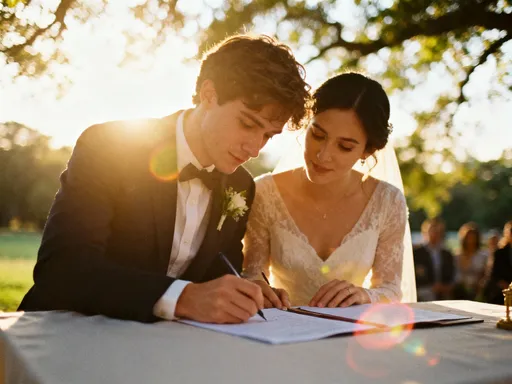
Tied the Knot Without Tying Up My Cash — Here’s How I Avoided Financial Disaster
Planning a wedding should be joyful, not stressful. Yet many couples dive in without seeing the financial risks ahead. I almost did too—until I realized how easily costs spiral and dreams turn into debt. This is the honest story of how we planned our big day while protecting our future. No jargon, no hype—just real choices that kept us safe, sane, and solvent. We wanted a celebration that honored our love without compromising our long-term goals. What we discovered was that financial clarity isn’t the enemy of romance; it’s its protector. With rising expectations and endless Pinterest inspiration, it’s easy to lose sight of what truly matters. But by making intentional decisions early, we avoided common pitfalls and built a foundation not just for a beautiful day, but for a resilient marriage.
The Hidden Cost of "I Do" – Why Weddings Are Financial Traps
Weddings are often marketed as once-in-a-lifetime events, and with that comes immense pressure to make every detail perfect. This emotional weight, combined with social expectations, turns what should be a personal celebration into a high-stakes financial performance. The average wedding in many developed countries now exceeds tens of thousands of dollars, a figure that can feel both daunting and unavoidable. But behind that number lies a series of small, seemingly harmless choices that collectively drive up costs. The venue with the “perfect view” may come with a steep premium. The floral arrangements that look stunning in photos may cost more than a month’s rent. And the guest list, often expanded to include distant relatives and coworkers, multiplies every per-person expense.
What makes weddings particularly dangerous financially is how quickly emotion overrides logic. When you’re in love and excited about your future, it’s easy to dismiss budget concerns as unromantic or pessimistic. Vendors, too, are skilled at appealing to sentiment—offering upgrades that “you’ll never forget” or packages that “make your dreams come true.” These emotional triggers make it difficult to say no, even when the numbers don’t add up. We nearly booked a luxury ballroom because it felt like what a “real wedding” should look like, only to realize later that the cost alone would have consumed nearly half our total budget. That moment of clarity was a wake-up call: we weren’t planning a wedding—we were responding to invisible scripts written by culture, media, and family tradition.
Another major driver of overspending is the lack of transparency in pricing. Many vendors provide initial quotes that appear reasonable, only to reveal additional fees during contract review—charges for overtime, setup, staffing, or even basic amenities. These add-ons, often presented as optional or standard, can inflate the final bill by 20 to 30 percent. Without careful scrutiny, couples sign contracts assuming they’ve locked in a price, only to face unpleasant surprises weeks later. This lack of clarity benefits vendors but puts couples at risk. We learned this the hard way when a caterer’s “all-inclusive” package turned out to exclude service staff, cake cutting, and gratuity—each an extra charge. These hidden costs aren’t always malicious, but they are predictable, and avoiding them requires diligence, not just optimism.
The truth is, most wedding expenses are not about necessity but perception. A five-tier cake is no more meaningful than a simple dessert table if the couple prefers the latter. A live band may sound impressive, but a curated playlist with a skilled DJ can create the same atmosphere at a fraction of the cost. Yet, because society equates spending with significance, couples feel pressured to invest heavily in symbols rather than substance. We realized that our wedding didn’t need to impress others—it needed to reflect us. That shift in mindset allowed us to cut back on elements that didn’t matter to us personally, freeing up funds for things that did, like hiring a great photographer or hosting a meaningful ceremony. Financial safety began not with spreadsheets, but with self-awareness.
Budgeting Is Not Romantic, But It’s Necessary
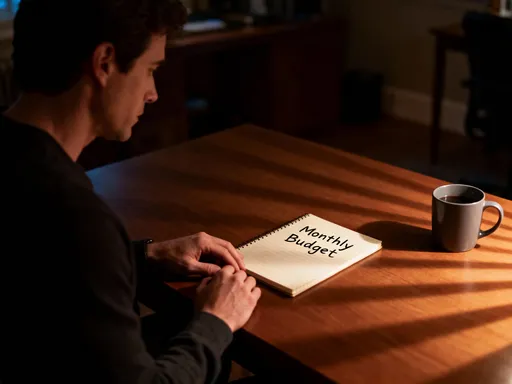
When we first sat down to create a wedding budget, it felt anything but exciting. Talking about money, especially with family involved, can stir up tension, insecurity, and unspoken expectations. But avoiding the conversation was riskier than having it. We knew that without a clear financial plan, we could easily lose control of our spending and start our marriage burdened by debt. So, we committed to transparency—not just with each other, but with our families. We started by assessing our combined savings, income, and financial goals beyond the wedding. This wasn’t just about the event; it was about how this one day would impact the next decade of our lives.
We created a detailed list of every possible expense, from attire and invitations to transportation and tips. Some items were easy to estimate, like the cost of our wedding bands. Others, like venue and catering, required research and multiple quotes. We categorized expenses into “must-haves,” “nice-to-haves,” and “luxuries,” then assigned realistic dollar amounts based on market averages and our personal priorities. This process helped us identify where we were willing to spend and where we could cut back. For example, we both loved music, so we allocated more to entertainment—but we chose an off-peak Saturday in late autumn to secure a lower venue rate, saving thousands.
One of the most effective tools we used was a shared digital budget tracker. Several free apps allow couples to log expenses, set limits, and monitor progress in real time. We updated ours weekly, which kept us accountable and reduced last-minute surprises. Seeing the numbers in black and white made it easier to make tough decisions—like skipping a photo booth or opting for digital invitations. These choices weren’t about deprivation; they were about alignment. Every dollar saved in one area could be redirected to something more meaningful. For instance, by choosing a smaller guest list, we could afford a professional videographer to capture the speeches and moments we might otherwise miss.
Equally important was setting boundaries with family. While we appreciated financial contributions, we made it clear that any gifts would be used according to our plan, not external expectations. We gently but firmly communicated that while we valued their input, the final decisions were ours. This wasn’t about disrespect—it was about responsibility. Starting our marriage with financial clarity meant avoiding resentment later. We also built in a 10 percent buffer for unexpected costs, recognizing that even the best plans can encounter hiccups. This cushion wasn’t for splurging; it was for security. Knowing we had room for error reduced stress and allowed us to enjoy the planning process more fully.
Vendor Vibes and Value – Spotting Red Flags Before Signing
Choosing vendors is one of the most critical—and risky—parts of wedding planning. These are the people who will shape your experience, from the way your photos look to the taste of your dinner. But not all vendors are equally reliable, and not all contracts are equally fair. We learned quickly that enthusiasm and aesthetics don’t guarantee professionalism or integrity. Our first red flag came during a meeting with a florist who refused to provide a written quote, insisting we “just trust her.” While she had a beautiful portfolio, that lack of documentation made us uneasy. We walked away, later discovering through online reviews that she had a history of missed deliveries and last-minute cancellations.
Due diligence became our mantra. For every vendor, we checked multiple reviews, asked for references, and reviewed contracts line by line. We looked for clear language around deliverables, timelines, payment schedules, and cancellation policies. One caterer, for example, required a 50 percent non-refundable deposit upfront—far more than industry norms. That was a warning sign. We negotiated a more balanced payment plan and added a clause allowing partial refunds if services were canceled due to unforeseen circumstances. These details may seem minor, but they can save thousands in the event of a dispute or emergency.
We also paid close attention to communication style. A responsive, transparent vendor who answers questions promptly and offers clear options is more likely to deliver on promises. One planner we interviewed responded to emails days later with vague answers and pressured us to book immediately, citing “limited availability.” That urgency felt manipulative, not helpful. We chose a different planner who provided a detailed proposal, explained all costs, and encouraged us to take our time. That experience taught us that respectful, pressure-free interactions are a strong indicator of reliable service.
Negotiation was another key tool. Many couples assume vendor prices are fixed, but that’s rarely true. We asked for discounts on off-season dates, bundled services, or reduced rates for weekday events. Some vendors were willing to adjust their packages, especially when we committed early or paid in full. We also considered newer vendors building their portfolios—they often offered lower rates in exchange for reviews and referrals. This approach allowed us to work with talented professionals without overspending. The lesson was clear: doing your homework, asking questions, and being willing to walk away are essential for protecting your budget and your peace of mind.
Guest List Inflation – When "Everyone" Becomes Too Many
One of the most emotionally charged aspects of wedding planning is the guest list. What starts as a simple list of close friends and family can quickly balloon into an event of hundreds, driven by social obligations and guilt. We initially thought inviting “everyone who’s ever been kind to us” was the generous thing to do. But when we saw the projected cost—$150 per person for food, drinks, and favors—we realized that every additional name had real financial consequences. A list of 150 would cost over $22,000 just for attendance, not including the venue, which often has a minimum charge based on capacity.
We decided to set a hard cap based on our budget, not sentiment. This meant having difficult conversations with both families. My partner’s aunt expected to bring her entire extended family; my parents wanted to invite all their coworkers. While we understood their feelings, we explained that exceeding our limit would force us to cut back on other priorities, like the quality of the meal or the length of the reception. We compromised by allowing each of us to invite a set number of “family picks,” but we retained final approval. This balance respected their input while maintaining our financial control.
Surprisingly, a smaller guest list enhanced the experience. With fewer people, we were able to engage more deeply with each guest, host meaningful conversations, and create a more intimate atmosphere. We received more heartfelt feedback than we expected—many guests said they appreciated not feeling like just another face in the crowd. The savings also allowed us to invest in personal touches, like handwritten place cards and a customized menu. What we lost in scale, we gained in connection.
Another benefit was logistical simplicity. A smaller event required less coordination, reduced vendor demands, and minimized the risk of last-minute complications. We didn’t need multiple seating charts, shuttle services, or elaborate signage. This simplicity lowered stress for everyone involved, especially us. We were able to enjoy the day more fully because we weren’t managing a massive operation. The guest list wasn’t just a budget issue—it was a quality-of-experience issue. By prioritizing closeness over quantity, we created a celebration that felt authentic and joyful, not overwhelming.
Insurance and Contingencies – Preparing for the Unthinkable
No one plans a wedding expecting things to go wrong. But the reality is that life is unpredictable. Weather changes, vendors fall ill, and emergencies happen. We almost skipped event insurance, thinking it was an unnecessary expense—until a close friend had their outdoor ceremony ruined by sudden rain with no backup plan. They lost thousands on non-refundable deposits and had to scramble to relocate indoors. That story made us reconsider. We purchased a comprehensive event insurance policy that covered cancellations, vendor failures, and weather disruptions. The cost was less than 2 percent of our total budget, but the peace of mind was invaluable.
In addition to insurance, we set aside a dedicated emergency fund—about 8 percent of our total budget—specifically for unexpected costs. This wasn’t for upgrades or last-minute wants; it was strictly for true emergencies, like a vendor backing out or a family member needing urgent travel. We kept this money in a separate account, untouched until needed. Having that buffer meant we didn’t have to rely on credit cards or loans if something went wrong. It also reduced anxiety, knowing we had a safety net.
We also created backup plans for key elements. Our ceremony was scheduled outdoors, but we secured an indoor alternative at the same venue, just in case. We confirmed that our caterer could deliver food to a different location if needed and that our photographer had a second shooter available. These contingencies weren’t meant to invite disaster—they were meant to prevent it from derailing our day. We didn’t end up using the insurance or the emergency fund, but their presence allowed us to plan with confidence. Financial safety isn’t just about avoiding debt; it’s about building resilience.
Contingency planning also extended to timing. We scheduled vendor meetings and deliveries with buffer days in case of delays. We confirmed all contracts at least two months in advance and did final walkthroughs three weeks before the event. These steps minimized the risk of last-minute surprises. We also assigned a trusted friend to be our “day-of coordinator,” someone who knew the schedule and could handle issues without involving us. This delegation ensured that even if problems arose, we could stay focused on celebrating. Preparation didn’t make the wedding less magical—it made it more secure.
Honeymoon Funding – Traveling Smart Without Draining Savings
The honeymoon is often seen as the first chapter of married life, but it shouldn’t come at the cost of financial stability. Many couples charge their trips to credit cards, hoping to pay them off later. We refused to start our marriage with debt, so we treated the honeymoon like any other financial goal—something to save for, not finance. We set a realistic budget based on our travel preferences and began saving six months in advance. We opened a separate account and contributed a fixed amount each month, treating it as a non-negotiable expense.
We chose an off-season destination to reduce costs. Instead of the peak summer months in the Mediterranean, we traveled in late spring, when flights and accommodations were significantly cheaper. We also considered less popular but equally beautiful locations—places with lower tourist demand but rich culture and natural beauty. This flexibility allowed us to enjoy a ten-day trip to a coastal region in Southern Europe without overspending. We used travel reward points from our credit cards—earned through everyday spending on groceries and bills—but only redeemed them, never charged new expenses.
We avoided common pitfalls, like using wedding gifts to cover travel costs. While some guests offered cash, we allocated those funds to our joint savings account, not the honeymoon. This discipline ensured that our post-wedding financial health remained strong. We also declined upsells at booking—premium rooms, excursion packages, and rental cars we didn’t need. Instead, we used public transit, booked modest but clean accommodations, and focused on free or low-cost experiences like hiking, local markets, and cultural festivals.
The result was a meaningful, relaxing trip that didn’t compromise our future. We returned not with credit card bills, but with memories and a stronger sense of financial teamwork. Planning the honeymoon as a shared goal reinforced our commitment to responsible spending. It wasn’t about luxury; it was about sustainability. By aligning our travel dreams with our financial reality, we proved that adventure and prudence can coexist.
Beyond the Big Day – Protecting Your Financial Future Together
Marriage is more than a ceremony—it’s a lifelong financial partnership. The decisions we made during wedding planning set the tone for how we manage money as a couple. After the celebration, we merged our finances gradually, opening a joint account for shared expenses while maintaining individual accounts for personal spending. We established monthly money meetings to review budgets, track progress on goals, and discuss upcoming purchases. These conversations weren’t about control; they were about collaboration.
We also reviewed our credit histories and scores, understanding how they would impact future plans like buying a home or starting a business. We created a joint financial roadmap, setting short-term goals like building an emergency fund and long-term goals like retirement savings. This shared vision helped us stay aligned and motivated. We learned that financial harmony doesn’t come from earning more—it comes from communicating clearly, respecting each other’s values, and making decisions together.
The wedding was just the beginning. By prioritizing financial safety, transparency, and mutual respect, we built a foundation that extends far beyond a single day. We didn’t just avoid debt—we gained confidence, clarity, and peace of mind. The choices we made weren’t about sacrifice; they were about intention. And in the end, that’s the greatest gift we gave each other: a future built on trust, not stress.