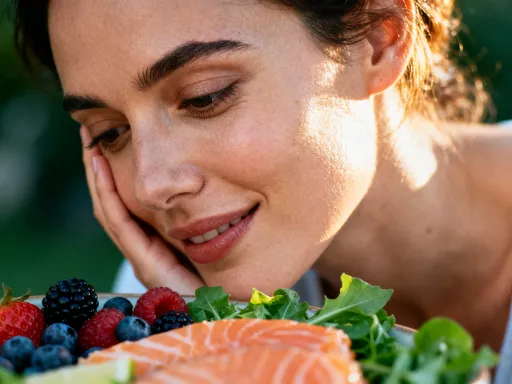
Glow From Within: My Real Food Combos That Transformed My Skin
You’ve probably heard “you are what you eat,” but I never believed how deeply food affects your skin—until I started paying attention to what I actually consumed. As someone who struggled with dullness and breakouts, I discovered that glowing skin isn’t just about creams and serums. It starts in your kitchen. After testing different dietary combinations for months, I noticed real changes—more radiance, fewer blemishes, and a calmness in my complexion I’d never seen before. This isn’t about extreme diets or miracle fixes. It’s about smart, science-backed food pairings that support your skin from the inside out. Let me walk you through the simple shifts that made a noticeable difference—no hype, just real results.
The Skin-Food Connection: Why What You Eat Shows on Your Face
For years, many of us have treated skincare as a surface-level battle—cleansers, toners, and serums stacked high on bathroom counters. But science increasingly confirms that lasting skin health begins far beneath the surface: in what we eat. The skin, being the body’s largest organ, responds directly to internal signals shaped by nutrition. When the body lacks essential nutrients or is burdened with inflammatory foods, the skin often becomes the first place to show signs of imbalance. Dullness, redness, uneven texture, and frequent breakouts can all be indicators of deeper nutritional gaps or systemic inflammation.
One of the key mechanisms linking diet and skin health is inflammation. Chronic, low-grade inflammation can accelerate skin aging and worsen conditions like acne and rosacea. Diets high in refined carbohydrates and unhealthy fats promote inflammatory pathways, while whole, nutrient-dense foods help regulate them. For example, omega-3 fatty acids found in fatty fish and flaxseeds reduce the production of pro-inflammatory molecules, supporting a calmer, more even complexion. Antioxidants from colorful fruits and vegetables neutralize free radicals—unstable molecules that damage skin cells and contribute to wrinkles and loss of elasticity.
Hydration is another critical factor. While drinking water is important, the foods we consume also contribute significantly to our body’s fluid balance. Water-rich produce like cucumbers, celery, and citrus fruits not only hydrate but also deliver electrolytes and phytonutrients that support skin resilience. Additionally, oxidative stress—the imbalance between free radicals and antioxidants in the body—plays a major role in skin aging. Diets rich in antioxidants help tip this balance in favor of protection, slowing visible signs of aging.
Key nutrients such as vitamins A, C, and E, zinc, and selenium are directly involved in skin repair and barrier function. Vitamin C, for instance, is essential for collagen synthesis, the protein that keeps skin firm and supple. Without adequate intake, the skin may appear thin or sagging over time. Similarly, vitamin A regulates cell turnover, helping to prevent clogged pores and uneven tone. These nutrients don’t work in isolation—they function best within a balanced dietary pattern that supports overall metabolic health. Therefore, while topical products can offer temporary improvements, true transformation requires a foundation of consistent, nourishing food choices.
Common Diet Mistakes That Sabotage Your Glow
Despite good intentions, many well-meaning eating habits can unknowingly undermine skin health. One of the most widespread issues is high sugar consumption. Sugary snacks, sweetened beverages, and even seemingly healthy options like flavored yogurts or granola bars can lead to rapid spikes in blood glucose. These spikes trigger a surge in insulin, a hormone that, in excess, can stimulate oil production and inflammation in the skin—both of which are linked to acne development.
Beyond insulin, high sugar intake contributes to a process called glycation. This occurs when sugar molecules attach to proteins like collagen and elastin, forming harmful compounds known as advanced glycation end products (AGEs). These AGEs damage the skin’s structural proteins, leading to stiffness, loss of elasticity, and premature wrinkling. Over time, a diet rich in refined sugars can result in a sallow, tired appearance—even in younger individuals. The effect is often subtle at first, but becomes increasingly visible as years pass.
Processed foods are another major culprit. Packaged meals, fast food, and ready-to-eat snacks are typically high in refined grains, unhealthy fats, and sodium, while lacking fiber and essential micronutrients. These foods not only promote inflammation but also disrupt gut health, which is closely tied to skin clarity. An imbalanced gut microbiome can increase intestinal permeability—commonly referred to as “leaky gut”—allowing toxins and undigested particles to enter the bloodstream and trigger immune responses that manifest as skin flare-ups.
Poor fat choices also play a role. While fats are essential for skin health, the type of fat matters greatly. Diets high in omega-6 fatty acids—found in many vegetable oils and processed snacks—can promote inflammation when not balanced with omega-3s. Meanwhile, trans fats, often present in fried and packaged goods, impair cell membrane function and reduce skin hydration. Additionally, many women unknowingly underconsume healthy fats, fearing weight gain, which can deprive the skin of the lipids it needs to maintain a strong moisture barrier.
Dehydration and nutrient-poor meals further dull the complexion. Skipping meals, relying on low-calorie convenience foods, or following overly restrictive diets may lead to deficiencies in iron, B vitamins, and essential fatty acids—all of which are vital for healthy skin turnover and circulation. A woman in her 40s who eats a plain sandwich for lunch and a low-fat frozen dinner might technically be “eating healthy,” but if her meals lack variety and nutrient density, her skin may still appear lackluster. The result is often a cycle of temporary fixes—moisturizers, concealers, facial treatments—without addressing the root cause.
Power Pairings: Why Combining Foods Matters More Than Single Superfoods
In the world of nutrition, the idea of “superfoods” has gained widespread attention—kale, blueberries, chia seeds, and turmeric are often hailed as miracle ingredients. While these foods do offer valuable nutrients, the reality is that no single food can transform your health or skin on its own. What truly makes a difference is how foods are combined. This concept, known as food synergy, refers to the way certain nutrients enhance each other’s absorption and effectiveness when eaten together. The whole becomes greater than the sum of its parts.
Consider iron and vitamin C. Iron from plant sources—such as spinach, lentils, and tofu—is in the form of non-heme iron, which the body absorbs less efficiently than heme iron from animal products. However, when consumed with vitamin C-rich foods like bell peppers, citrus, or strawberries, the absorption of non-heme iron can increase significantly. This simple pairing can help prevent iron deficiency, a common issue among women that often manifests as pale, tired-looking skin and brittle nails.
Another powerful example is the relationship between fat-soluble nutrients and dietary fats. Vitamins A, D, E, and K, as well as carotenoids like beta-carotene, require fat for proper absorption. Eating a salad of carrots, sweet potatoes, or leafy greens without any fat means much of their nutritional benefit may be lost. Adding a drizzle of olive oil, a few avocado slices, or a sprinkle of nuts dramatically increases the uptake of these skin-supportive compounds. This is why a plain carrot stick is far less effective than one dipped in almond butter when it comes to nourishing the skin.
Similarly, the combination of protein and vitamin C supports collagen production. Collagen is made from amino acids, the building blocks of protein, but its formation also requires vitamin C as a cofactor. Eating a meal that includes both lean protein and vitamin C-rich vegetables—such as grilled chicken with broccoli and lemon—provides the raw materials and catalyst needed for skin repair. These synergistic interactions are not rare exceptions; they are fundamental to how nutrition works in the body.
The takeaway is clear: instead of chasing the latest superfood trend, focus on building balanced meals that combine complementary nutrients. This approach is not only more effective but also more sustainable and enjoyable. It allows for flexibility, variety, and real-world practicality—key elements for long-term success. By understanding and applying the principle of food synergy, you can turn everyday meals into powerful tools for skin health.
The Radiance-Boosting Combo: Berries + Nuts
One of the simplest yet most effective food pairings for glowing skin is berries and nuts. Berries—such as blueberries, strawberries, raspberries, and blackberries—are among the most antioxidant-rich foods available. They are packed with anthocyanins, flavonoids, and vitamin C, all of which help combat oxidative stress and protect skin cells from environmental damage. Regular consumption has been associated with improved skin elasticity and reduced signs of aging.
Nuts, particularly almonds, walnuts, and cashews, contribute healthy monounsaturated and polyunsaturated fats, including vitamin E—an essential nutrient for skin protection. Vitamin E acts as a natural antioxidant that helps shield the skin from UV-induced damage and supports the integrity of cell membranes. It also works synergistically with vitamin C; while vitamin C neutralizes free radicals in the watery parts of cells, vitamin E protects the fatty components, creating a comprehensive defense system.
When berries and nuts are eaten together, their benefits are amplified. The healthy fats in nuts enhance the absorption of fat-soluble antioxidants from the berries, allowing the body to make better use of their protective compounds. This pairing also helps stabilize blood sugar—berries provide natural sweetness and fiber, while nuts add protein and fat, preventing the rapid spikes and crashes that can trigger breakouts and fatigue.
Incorporating this combo into daily life is both easy and satisfying. Try adding a handful of mixed berries and a small portion of raw nuts to your morning oatmeal or yogurt. Blend them into a smoothie with spinach and a spoonful of nut butter for a nutrient-packed breakfast. For a mid-afternoon snack, pack a small container of berries with a few almonds—this combination provides sustained energy and helps curb cravings for sugary treats. Over time, this simple habit can contribute to a more even, radiant complexion and a noticeable reduction in dryness and flakiness.
The Clear Skin Duo: Leafy Greens + Lemon
Leafy greens like spinach, kale, Swiss chard, and arugula are nutritional powerhouses, especially for skin health. They are rich in chlorophyll, fiber, and a range of vitamins and minerals, including folate, vitamin K, and non-heme iron. Iron is crucial for oxygen transport in the blood, and low levels can lead to a pale, sallow complexion and dark under-eye circles. However, as previously mentioned, plant-based iron is not easily absorbed on its own.
This is where lemon comes in. A squeeze of fresh lemon juice over a bowl of leafy greens dramatically increases iron absorption thanks to its high vitamin C content. Just a small amount—about one tablespoon—can boost iron uptake by up to 50%. This simple addition transforms a healthy salad into a highly effective skin-supportive meal. The acidity of lemon also aids digestion, helping the body break down and utilize nutrients more efficiently.
Beyond iron absorption, this pairing supports detoxification and reduces inflammation. Chlorophyll in greens has natural cleansing properties, helping to neutralize toxins and support liver function. Lemon juice, rich in citric acid and antioxidants, further enhances liver detox pathways and promotes hydration. Together, they create an internal environment that favors clear, balanced skin.
Practical ways to enjoy this duo include a large spinach-kale salad with cherry tomatoes, cucumber, and a lemon-olive oil dressing. Sautéed greens with a splash of lemon juice make a quick, flavorful side dish. You can also blend baby spinach, lemon juice, apple, and ginger into a refreshing morning green juice. The key is consistency—making this combination a regular part of your meals rather than an occasional detox trend. Over weeks and months, many women notice a reduction in breakouts, improved skin tone, and a natural inner glow that creams alone cannot replicate.
The Hydration Hero Pair: Cucumber + Watermelon
Hydration is foundational to plump, dewy skin, and while drinking water is essential, food contributes significantly to total fluid intake. Cucumbers and watermelon are two of the most water-rich foods available, each containing over 90% water. They not only replenish fluids but also deliver vital nutrients that support skin structure and resilience.
Cucumbers are a good source of silica, a trace mineral that plays a role in collagen formation and connective tissue strength. Silica helps maintain skin firmness and may reduce the appearance of fine lines. They also contain antioxidants like flavonoids and tannins, which help protect against oxidative damage. Watermelon, in addition to its high water content, provides lycopene—a powerful antioxidant that has been shown to protect skin from UV damage and improve skin texture. It also contains citrulline, an amino acid that may support circulation and skin hydration at the cellular level.
When eaten together, cucumber and watermelon create a refreshing, hydrating effect that benefits the skin from within. Their natural electrolytes—such as potassium and magnesium—help maintain fluid balance, preventing the dry, tight feeling that often accompanies dehydration. Unlike sugary sports drinks, these fruits provide hydration without the negative metabolic effects.
To incorporate this pair, try a chilled cucumber-watermelon salad with fresh mint and a squeeze of lime. Blend them into a hydrating smoothie with coconut water for a post-summer-day refreshment. You can also infuse water with slices of both for a flavorful, skin-supportive drink that encourages higher water intake throughout the day. For women juggling busy schedules, this simple, no-cook combo offers an effortless way to support skin health. Regular consumption helps maintain skin suppleness, reduces puffiness, and contributes to a naturally luminous appearance.
The Anti-Inflammatory Match: Fatty Fish + Turmeric
Chronic inflammation is a silent driver of many skin concerns, from persistent redness to adult acne and premature aging. One of the most effective dietary strategies to combat this is the combination of fatty fish and turmeric. Fatty fish—such as salmon, mackerel, sardines, and herring—are rich in omega-3 fatty acids, particularly EPA and DHA. These fats are well-documented for their ability to reduce inflammatory markers in the body, including those that affect the skin.
Turmeric, a golden-hued spice used for centuries in traditional medicine, contains curcumin—a compound with potent anti-inflammatory and antioxidant properties. Curcumin has been studied for its ability to inhibit inflammatory pathways and support skin healing. However, curcumin is poorly absorbed on its own. Its bioavailability increases significantly when combined with healthy fats and a pinch of black pepper, both of which are naturally present when seasoning fatty fish with turmeric.
Together, this duo creates a powerful synergy. The omega-3s from the fish and the curcumin from turmeric work on different but complementary pathways to calm the immune response in the skin. This can lead to reduced redness, fewer breakouts, and a more even skin tone over time. Women dealing with hormonal breakouts or sensitive, reactive skin may find this combination particularly beneficial.
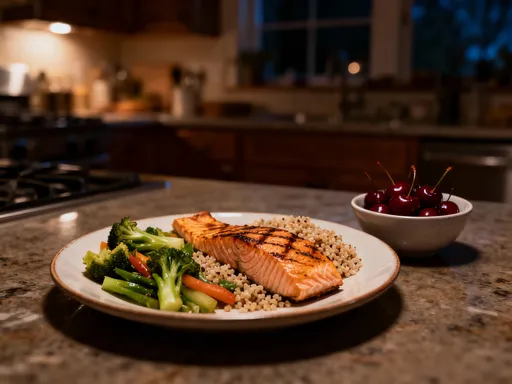
Simple ways to enjoy this pairing include grilling or baking salmon with a marinade of olive oil, lemon juice, minced garlic, turmeric, and a dash of black pepper. Sardines on whole-grain toast with a sprinkle of turmeric and sliced avocado make a quick, nutrient-dense lunch. For those who don’t eat fish, flaxseeds or chia seeds can provide plant-based omega-3s, which can still be paired with turmeric in soups, stews, or golden milk recipes. The goal is to make this anti-inflammatory duo a regular part of your weekly meal plan, aiming for at least two servings of fatty fish per week.
Making It Stick: How to Build Skin-Friendly Meals Without Overthinking
Knowing which foods support skin health is one thing; making them a consistent part of your life is another. The key to lasting change is not perfection, but practicality. You don’t need to overhaul your diet overnight or follow a rigid plan. Instead, focus on small, sustainable shifts that fit your lifestyle. Start by identifying one or two of the food pairings that appeal to you most—perhaps berries and nuts for breakfast, or leafy greens with lemon for lunch—and commit to including them regularly.
Meal planning can help reduce decision fatigue. On weekends, wash and chop vegetables, cook a batch of quinoa or brown rice, and portion out nuts and seeds. Having these ready-to-use components makes it easier to assemble balanced meals during busy weekdays. Keep a variety of frozen berries on hand for smoothies, and stock up on canned salmon or sardines for quick, omega-3-rich meals. These small preparations remove barriers and make healthy choices more accessible.
Balance and variety are more important than any single food. Rotate your greens, mix up your protein sources, and include a rainbow of fruits and vegetables throughout the week. This ensures a broad spectrum of nutrients and prevents dietary monotony. Remember, glowing skin is not the result of a single meal or a short-term cleanse—it’s the cumulative effect of consistent, mindful eating over time.
Finally, practice self-compassion. There will be days when convenience wins, when celebrations involve desserts, or when stress leads to less-than-ideal choices. That’s normal. What matters is the overall pattern. By focusing on nourishment rather than restriction, and by building meals that are both delicious and supportive of your skin, you create a sustainable path to lasting radiance. The journey to glowing skin is not about flawlessness—it’s about showing up for yourself, one thoughtful bite at a time.