How Tai Chi and a Simple Diet Changed My Daily Energy
For years, I felt constantly drained, no matter how much I slept. Then I discovered tai chi and a balanced, intentional way of eating. It wasn’t a quick fix, but a slow, steady shift. Combining gentle movement with mindful nutrition, I found more energy, clarity, and calm. This is a real, systematic approach—backed by routine and consistency—that reshaped my wellness from the ground up.
The Burnout That Started It All
There was a time when getting through the day felt like climbing a mountain with no summit. Even after eight hours of sleep, I woke up exhausted. My mornings began with coffee, followed by another cup by mid-morning, and sometimes a third just to stay alert during afternoon meetings. I relied on sugar-laden snacks and quick meals—granola bars, instant noodles, or whatever could be eaten between errands. I wasn’t eating to nourish myself; I was fueling a machine that was already breaking down.
The fatigue wasn’t just physical. Mentally, I felt foggy and reactive. Small tasks felt overwhelming. I snapped at my children over spilled milk and felt guilty minutes later. My body felt like a stranger to me—something I pushed, ignored, and occasionally scolded for not keeping up. I tried every quick solution: detox teas, intermittent fasting, high-protein diets, and even energy supplements. But each promise of renewed vitality faded within days. The crash was always worse than the initial slump.
What I didn’t realize then was that I was treating symptoms, not causes. The real issue wasn’t a lack of caffeine or protein—it was chronic stress, poor circulation, and a complete disconnect between my body and mind. The turning point came during a routine check-up when my doctor, without alarm but with quiet concern, said, 'You’re not sick, but you’re not well either.' That comment stayed with me. It prompted a search not for a miracle cure, but for a sustainable way to feel truly alive again. That’s when I first heard about tai chi—not as a performance art, but as a daily practice for restoring balance.
Why Tai Chi? More Than Just Slow Motion
Tai chi is often misunderstood as slow dance or gentle stretching, but it’s far more deliberate than that. Rooted in ancient Chinese philosophy, it’s a form of moving meditation that emphasizes coordination between breath, posture, and intention. Each movement flows into the next, creating a continuous rhythm that calms the nervous system and strengthens the body without strain. It’s not about flexibility or strength in the conventional sense, but about cultivating internal awareness and control.
Scientific studies have shown that regular tai chi practice reduces levels of cortisol, the primary stress hormone, while increasing circulation and oxygen delivery to muscles and organs. One analysis published in the Journal of the American Geriatrics Society found that older adults who practiced tai chi three times a week experienced significant improvements in energy, balance, and sleep quality. But its benefits aren’t limited to seniors. For people in midlife, especially women managing hormonal shifts and family responsibilities, tai chi offers a rare combination of physical activity and mental reset.
The reason tai chi works so well for sustained energy is that it trains the body to function more efficiently. When you move slowly and with awareness, you develop better proprioception—the sense of where your body is in space. This improves posture, reduces tension in the neck and shoulders, and enhances breathing mechanics. Deep, rhythmic breathing increases oxygen intake, which in turn supports mitochondrial function—the energy-producing centers of cells. Over time, this leads to less fatigue and more resilience, even during busy or stressful days.
Unlike high-intensity workouts that can deplete energy reserves if overdone, tai chi replenishes them. It’s like charging a battery rather than draining it. And because it requires no special equipment or gym membership, it’s accessible to nearly anyone, regardless of fitness level. The key is consistency, not intensity. Even ten minutes a day can begin to shift the body’s baseline toward greater calm and vitality.
The Mind-Body Connection: How Movement Shapes Eating Habits
One of the most surprising changes I experienced wasn’t directly related to tai chi or diet—it was the shift in how I related to my body. For years, I treated my body as something to manage, control, or fix. I skipped meals to 'save calories' or ate quickly while multitasking, barely tasting my food. Exercise felt like punishment for indulging. But tai chi introduced a new language: one of listening, honoring, and responding with care.
As I practiced tai chi regularly, I began to notice subtle signals—tightness in my lower back, shallow breathing when stressed, a tendency to hold my shoulders near my ears. These weren’t flaws to correct, but messages to understand. This growing body awareness naturally extended to my eating habits. I started eating more slowly, putting my fork down between bites, and paying attention to how different foods made me feel. I noticed that heavy, greasy meals left me sluggish, while balanced meals with vegetables and lean protein kept me steady.
This wasn’t about following strict rules or labeling foods as 'good' or 'bad.' It was about developing a relationship with food based on respect rather than restriction. I began to see meals as opportunities to nourish, not just consume. For example, instead of grabbing a muffin on the run, I’d prepare a small bowl of oatmeal with berries and a sprinkle of nuts. The act of preparing it became part of the ritual—mindful, intentional, and satisfying.
Psychologists refer to this as interoceptive awareness—the ability to perceive internal bodily states. Research from Harvard Medical School suggests that higher interoceptive awareness is linked to better emotional regulation and healthier eating behaviors. When you’re in tune with your body, you’re less likely to eat out of boredom or stress and more likely to recognize true hunger and fullness cues. Tai chi, by fostering this awareness, indirectly supports better food choices without requiring willpower or deprivation.
Building a Realistic Diet Plan: No Extremes, Just Balance
My approach to eating didn’t involve cutting out entire food groups or following trendy diets. Instead, I focused on balance, consistency, and sustainability. The core of my diet became whole, minimally processed foods that provided steady energy throughout the day. I aimed for three main meals, each containing a source of protein, fiber-rich carbohydrates, and healthy fats. This combination helps stabilize blood sugar, preventing the spikes and crashes that lead to fatigue and cravings.
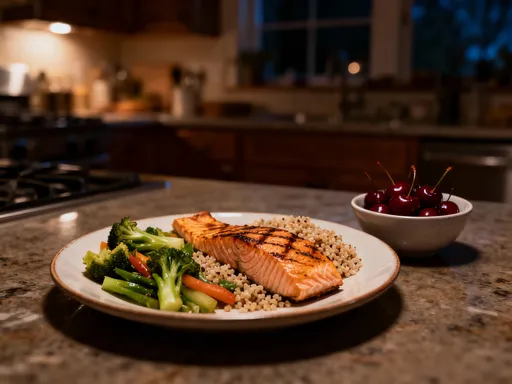
Breakfast, for instance, often includes Greek yogurt with chia seeds and sliced fruit, or scrambled eggs with spinach and whole-grain toast. Lunch might be a large salad with grilled chicken, avocado, and a simple olive oil and lemon dressing. Dinner is typically a stir-fry with tofu or fish, plenty of colorful vegetables, and a small portion of brown rice or quinoa. Snacks, when needed, are simple: an apple with almond butter, a handful of mixed nuts, or a piece of dark chocolate.
Hydration is another pillar of this plan. I made it a habit to drink a glass of water first thing in the morning and carry a reusable bottle throughout the day. Dehydration is a common but overlooked cause of low energy, and even mild fluid deficits can impair concentration and mood. I also limited sugary drinks and reduced my caffeine intake, switching to herbal teas in the afternoon.
Portion awareness is important, but not through strict measuring. I use visual cues—my protein portion should be about the size of my palm, my grains about the size of my fist. This method is practical and flexible, allowing room for occasional treats without guilt. The goal isn’t perfection, but progress. Over time, these small choices add up to significant changes in how I feel—more alert, less bloated, and emotionally steadier.
The Daily System: Pairing Morning Tai Chi with Intentional Eating
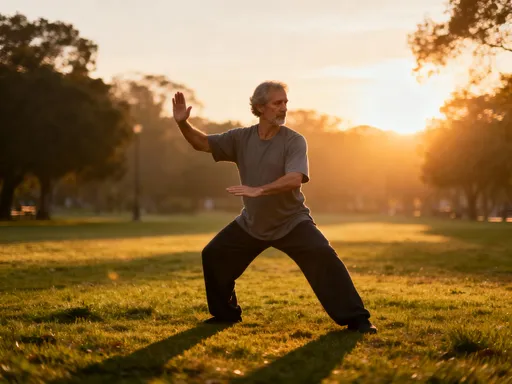
The most powerful change came from creating a daily rhythm that linked movement and nutrition. I began waking up 30 minutes earlier to practice tai chi in my backyard or living room. The early morning light, the quiet house, and the slow, flowing movements set a tone of calm focus. This wasn’t exercise to burn calories—it was a way to center myself before the day began.
After tai chi, I sit down to breakfast without distractions. No phone, no TV, just me and my meal. This simple act of mindful eating has become a cornerstone of my wellness. The movement prepares the body for digestion by stimulating the parasympathetic nervous system—the 'rest and digest' mode. When the body is in this state, it absorbs nutrients more efficiently and experiences less bloating or discomfort.
This morning routine creates a ripple effect throughout the day. Because I start with clarity and calm, I’m more likely to make thoughtful choices—choosing a salad over fast food, taking a walk during lunch, or saying no to an extra commitment when I’m already tired. The combination of tai chi and intentional eating isn’t about rigid discipline; it’s about creating a foundation that supports natural energy and resilience.
Consistency matters more than duration. Some days, I only have 15 minutes for tai chi, and that’s enough. The key is showing up, even in small ways. Over time, this practice becomes less of a 'routine' and more of a ritual—a daily promise to care for myself. And because it feels good, it’s easier to stick with. I’m not forcing myself; I’m inviting myself into a healthier, more balanced life.
Challenges and How I Stuck With It
Of course, there were days when motivation was low. Winter mornings were especially hard—dark, cold, and tempting to stay under the covers. There were also social events where food choices were limited, or family emergencies that disrupted my routine. I learned early on that expecting perfection would only lead to frustration. Instead, I focused on flexibility and self-compassion.
When time was short, I practiced a shortened tai chi form—just ten minutes of basic movements. On busy evenings, I prepped meals in advance so I wouldn’t resort to convenience foods. When I ate something that didn’t sit well, I didn’t punish myself. I simply returned to my routine the next day. Progress isn’t linear, and wellness isn’t about never slipping up—it’s about how you respond afterward.
One helpful strategy was tracking small wins. I kept a simple journal where I noted how I felt each morning—energized, tired, calm, anxious. Over weeks, I began to see patterns: days after tai chi and a balanced breakfast were consistently better. This evidence kept me motivated, even when results weren’t dramatic. I also found support in online communities of people practicing tai chi or mindful eating, which reminded me I wasn’t alone.
The most important lesson was that small, consistent actions matter more than occasional grand efforts. Skipping a day doesn’t erase progress. What matters is returning to the practice, again and again. Over time, what once felt like effort became habit—and then, joy.
Long-Term Gains: Energy, Focus, and Emotional Stability
After nearly a year of consistent practice, the changes in my daily life are profound. I no longer rely on coffee to get through the morning. My energy levels are steady, without the mid-afternoon crashes that used to derail my productivity. I sleep more deeply and wake up feeling refreshed. My mood is more stable—I’m less reactive, more patient with my family, and better able to handle stress.
These improvements aren’t due to any single factor, but to the synergy between tai chi and balanced eating. The gentle movement reduces stress and improves circulation, while the diet provides the nutrients needed for sustained energy. Together, they create a positive feedback loop: when I feel better, I’m more likely to keep up the habits that make me feel better.
Equally important is the emotional shift. I no longer see wellness as a battle or a test of willpower. It’s a practice of care, a daily commitment to myself. I’ve learned to listen to my body, honor its needs, and respond with kindness. This mindset has improved not just my health, but my relationships and sense of purpose.
True wellness isn’t about transformation overnight. It’s about showing up, day after day, with intention and compassion. It’s about building a life where energy, clarity, and calm aren’t rare gifts, but regular experiences. Tai chi and a thoughtful diet aren’t magic—they’re commitments. But when practiced together, they create a foundation for lasting well-being. This journey isn’t about perfection. It’s about progress—one breath, one meal, one movement at a time.