Tired of burning out by 3 PM? How health tools quietly upgraded my workday
You know that sinking feeling—eyes glazed, energy gone, to-do list longer than ever? I used to hit the wall every afternoon, no matter how early I started. But then I stopped fighting my body and started working *with* it. Simple health tools—no hype, no hassle—helped me sync my work rhythm with my energy. The result? More focus, less fatigue, and actual time left for life. This isn’t about hustle. It’s about harmony.
The Daily Crash No One Talks About
Remember those mornings when you wake up ready to conquer the world? Coffee tastes better, ideas flow, and your inbox doesn’t scare you. That was me—until about 2:30 PM. Like clockwork, my brain would fog over. My shoulders tightened, my eyes burned, and even replying to a simple email felt like climbing a mountain. I blamed myself for years. Maybe I wasn’t trying hard enough. Maybe I just wasn’t cut out for this pace of life.
But then I realized something: I wasn’t lazy. I wasn’t weak. I was out of rhythm. Our bodies aren’t designed to run at full speed from sunrise to sunset. We’re built in cycles—peaks and dips, alertness and rest. Ignoring that natural flow is like driving a car with the gas pedal stuck and no breaks. Eventually, something gives.
What changed everything was shifting my mindset. Instead of asking, “Why can’t I power through?” I started asking, “What is my body trying to tell me?” That small shift opened the door to real change. I began paying attention to patterns—when I felt sharp, when I zoned out, when my mood dipped. And that’s when I discovered the quiet power of health tools.
At first, I thought trackers were just for fitness fanatics or data nerds. But when I wore a simple activity band for a week, the insights surprised me. I saw how late-night screen time crushed my sleep quality. I noticed how skipping lunch led to a crash by 3 PM. These weren’t dramatic revelations, but they were real. And they were mine. Suddenly, my afternoon slump wasn’t a character flaw—it was a signal. And signals can be responded to, not punished.
From Data to Real-Life Shifts
Here’s the truth: data doesn’t change behavior. What changes behavior is *meaning*. Numbers on a screen won’t fix your life—but they can help you see it more clearly. I remember the first time I saw my sleep score drop after working late. It was just a number—68 instead of 82—but it hit me differently. This wasn’t abstract. This was the reason I felt like a zombie at 10 AM.
But knowing wasn’t enough. I needed to act. So I started small. Instead of overhauling my entire routine, I picked one thing: hydration. I downloaded a simple app that reminded me to drink water every 90 minutes. No pressure, no tracking ounces—just a gentle chime and a little “You’ve got this!” message.
At first, I ignored it. Old habits die hard. But after a few days, I noticed something: when I actually drank water, my brain felt sharper. My afternoon headaches faded. I wasn’t more productive because I worked harder—I was more productive because I was *clearer*. That tiny change made me curious. What else could shift if I just paid attention?
That’s when I realized health tools aren’t about perfection. They’re about awareness. They don’t scold you for skipping a workout or eating cookies. They just show up, quietly, and say, “Hey, here’s what’s happening.” And sometimes, that’s all you need to make a different choice. Like choosing a walk over scrolling, or turning off the laptop 20 minutes earlier because your sleep data shows you’ll feel better for it.
The magic isn’t in the tool. It’s in the conversation it starts—with yourself. And that conversation? It’s the first step toward a life that feels more in your control.
Matching Work to Energy, Not Just Time
We plan our days like robots. 9 AM: team call. 10:30: draft report. 1 PM: respond to emails. But when was the last time your calendar asked, “Are you even awake right now?” We track time religiously, but we ignore energy—the real currency of productivity.
I started experimenting with something simple: rating my energy and focus every hour, just on a scale of 1 to 5. No app, no gadget—just a sticky note on my desk. After a few days, a pattern emerged. My peak focus? 8 AM to 10:30 AM. Then a dip. Another small rise around 2 PM, followed by a slow fade. I wasn’t broken—I was human.
So I redesigned my workday around that rhythm. I moved deep work—writing, planning, problem-solving—to my high-energy window. I saved emails, admin tasks, and meetings for the lower-energy slots. At first, it felt almost rebellious. What, I don’t have to answer every message the second it arrives? What, I can *choose* when to think?
But the results spoke for themselves. I finished reports faster. I made fewer errors. I stopped staying late to “catch up” because I’d already done the important work earlier. And the best part? I stopped feeling guilty for taking breaks. If my energy was a 2, I’d step away—stretch, walk, breathe—instead of pushing through and paying for it later.
Then I added a smart light to my desk—one that shifts color temperature with the time of day. In the morning, it’s cool and bright, like daylight. By evening, it warms to a soft amber. I didn’t think much of it at first, but within a week, I noticed I felt more alert in the AM and calmer at night. It wasn’t magic. It was biology. Our brains respond to light like plants to the sun. And when your environment supports your rhythm, your body follows.
This isn’t about working more. It’s about working *with* yourself, not against. And when you do that, you don’t just get more done—you feel better while doing it.
Breathing Back Control (Literally)
Stress used to creep up on me like a thief. One minute I’d be fine, the next I’d realize my jaw was clenched, my breath shallow, my thoughts racing. I’d snap at my kids, rush through meals, or lie awake at night replaying a tough email. I knew I was stressed, but I didn’t know how to stop it—until I tried something surprisingly simple: breathing with a rhythm.
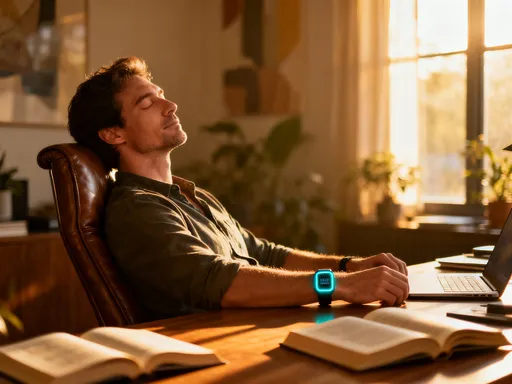
My smartwatch has a breathing pacer—a little animation that guides you to inhale for four seconds, exhale for six. It suggests doing this for two minutes, a few times a day. I rolled my eyes the first time I saw it. “Great, now my watch is telling me how to breathe?” But I was desperate, so I tried it.
Two minutes. Four times a day. That’s all it took. I did it before meetings, after lunch, when I felt overwhelmed. At first, it felt silly. But within a week, I noticed a shift. I wasn’t as reactive. I paused before responding to tense messages. I felt calmer, clearer, more present. It wasn’t that my workload changed—it was that my *response* to it did.
Here’s what surprised me: this wasn’t about relaxation. It was about regulation. When we’re stressed, our nervous system goes into overdrive. We’re wired to survive, not to sit at a desk for eight hours. But short breathing exercises send a signal to the brain: “We’re safe. We can slow down.” It’s not woo-woo—it’s science. And it works.
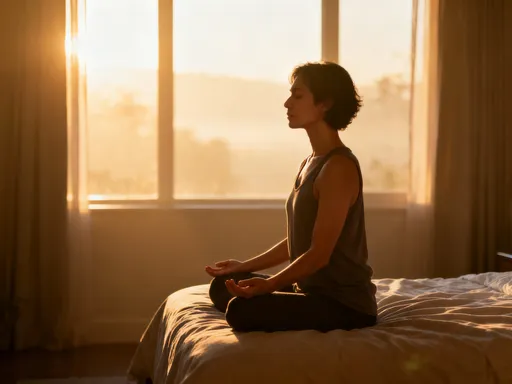
I don’t do this for hours. I don’t meditate. I just breathe, with a little help from a tool that reminds me to pause. And in those moments, I reclaim a tiny bit of control. Not over my schedule, not over my inbox—but over my own mind.
The Shared Routine That Changed Everything
I won’t lie—most of my health experiments started as solo missions. I’d try a new app, track my sleep, drink more water, and hope it stuck. But the changes that lasted? They happened when I stopped trying to do it all alone.
My partner and I started using a shared wellness app. No competition, no leaderboards—just a quiet way to stay connected. We set small, shared goals: “Let’s both get seven hours of sleep this week,” or “Let’s take a 10-minute walk at lunch.” Nothing fancy. Nothing extreme.
But something beautiful happened. When I saw his little notification—“Just walked around the block”—I’d think, “Oh, maybe I should step outside too.” When he saw I’d gone to bed early, he’d follow. It wasn’t about keeping score. It was about creating a rhythm together. A language of care, without words.
Our home felt calmer. Our conversations were lighter. And our workdays? Better. Because when the person you live with is also trying to be kinder to their body, it lifts you both. We stopped glorifying burnout. We stopped bragging about how little we slept. Instead, we celebrated small wins—“I took a real lunch break!” “I turned off my laptop by 7!”
Health tools are often sold as personal fixes. But they can be relational too. They can help you show up not just for yourself, but for the people you love. And when you’re both feeling better, everything changes—your mood, your patience, your ability to listen.
That shared routine didn’t just improve our health. It deepened our connection. And honestly? That was the most unexpected gift of all.
Tools That Fade Into the Background
The best technology is the kind you forget you’re using. I don’t wake up and obsess over my sleep data. I don’t check my step count like a report card. I don’t wear my tracker like a badge of honor.
Instead, my tools work quietly in the background. My posture alert buzzes once—gently—and I straighten up. My watch reminds me to stand, and I stretch for 30 seconds. My sleep tracker notices I’ve been restless and suggests I try a wind-down routine. No drama. No guilt. Just small nudges that help me stay aligned.
That’s the goal—not perfection, not constant monitoring, but *awareness*. Like a co-pilot, these tools help me notice what I might otherwise miss. And over time, those small corrections add up. I don’t have to remember everything. I don’t have to be superhuman. I just have to be present, and let the tools support me.
And the more I use them, the more they adapt. My watch learns when I usually go to bed. My app knows when I tend to skip water. They don’t nag. They don’t judge. They just help. It’s like having a quiet, thoughtful friend who knows your habits and wants the best for you.
When tools fade into the background, they stop feeling like work. They become part of the rhythm of life—like brushing your teeth or locking the door. And that’s when real change happens. Not through willpower, but through design.
A Smarter Day, Not a Harder One
I used to measure success by how much I could endure. Could I answer every email? Could I attend every meeting? Could I push through exhaustion and still smile?
Now, I measure success differently. Did I work *with* my energy, not against it? Did I take breaks without guilt? Did I end the day feeling tired but satisfied, not drained and defeated?
Health tools didn’t transform me into a productivity machine. They helped me become more human. They reminded me that rest isn’t lazy, that pauses aren’t failures, and that listening to your body isn’t selfish—it’s smart.
By aligning my workday with my natural rhythms, I get more done in less time. I make better decisions. I’m kinder to the people around me. And I have energy left—for dinner with my family, for reading before bed, for just *being*.
This isn’t about doing more. It’s about doing what matters, with presence and peace. It’s about creating a day that feels sustainable, not heroic. And that? That changes everything.
If you’re tired by 3 PM, you’re not broken. You’re just out of sync. And the fix isn’t more coffee, more hustle, or more guilt. It’s a little awareness, a few simple tools, and the courage to work *with* yourself, not against. Try it. Your body—and your future self—will thank you.