How I Rebuilt Strength After Injury — A Pro’s Take on Smarter Recovery
Recovering from an injury isn’t just about rest—it’s about moving right. I’ve seen too many people stuck in limbo, afraid to move or pushing too hard. As someone who’s been through rehab and helped others do the same, I’ve learned that the real key isn’t speed, it’s strategy. This journey reshaped how I see healing. Let me walk you through the science-backed concepts that make rehabilitation not just safe, but truly transformative.
The Hidden Cost of Rushed Recovery
Injuries are disruptive, especially when they interfere with daily routines, household responsibilities, or the simple joy of staying active. Many people, eager to return to normal life, make the same critical mistake—resuming activity too soon. They might feel better after a few days of rest and assume the worst is over. But the body often tells a different story beneath the surface. Tissues that appear healed may still be fragile, lacking the structural integrity needed to withstand full demands. Returning to movement without proper progression increases the risk of re-injury, sometimes causing more damage than the original incident.
This pattern is especially common among women in their 30s to 50s who manage busy households and may underestimate their physical limits. A mother recovering from a shoulder strain might rush back to lifting groceries or carrying children, only to experience renewed pain weeks later. The physical setback is matched by emotional frustration—feelings of failure, impatience, and discouragement. This cycle can erode confidence in one’s body, leading to long-term avoidance of movement, which ironically weakens the very systems needed for recovery.
Healing is not a straight line. It comes with fluctuations—good days and setbacks that are part of the process. What matters most is having a clear, informed plan guided by professional insight. Rushing recovery doesn’t save time; it steals it. Research consistently shows that individuals who follow structured rehabilitation protocols return to activity faster and with lower recurrence rates than those who push through pain. Patience, when paired with intelligent movement, becomes a powerful form of strength.
Rehabilitation vs. Regular Exercise: Why They’re Not the Same
One of the most misunderstood aspects of recovery is the difference between rehabilitation and general exercise. Many assume that once the acute pain fades, returning to their usual workout routine is safe. But rehabilitation is not simply lighter exercise—it’s a targeted, phase-specific process designed to restore function, not burn calories or build muscle mass. While regular fitness focuses on performance, rehab prioritizes precision, control, and tissue adaptation.
For example, after a knee injury, jumping into squats or cardio classes may overload healing ligaments or cartilage. In contrast, rehabilitation begins with foundational movements that re-establish joint stability and neuromuscular coordination. This might include isolated leg lifts, controlled range-of-motion exercises, or balance drills on stable surfaces. The goal is not intensity but accuracy—teaching the body to move safely and efficiently before progressing to more complex tasks.
Rehabilitation also emphasizes neuromuscular re-education, a process that retrains the brain-body connection disrupted by injury. When pain occurs, the nervous system alters movement patterns to protect the area, often creating compensatory habits. Over time, these compensations become ingrained, leading to imbalances elsewhere in the body. Generic workouts do not address these subtle dysfunctions and may even reinforce them. A well-designed rehab program, however, corrects faulty mechanics before introducing load, reducing the risk of future strain.
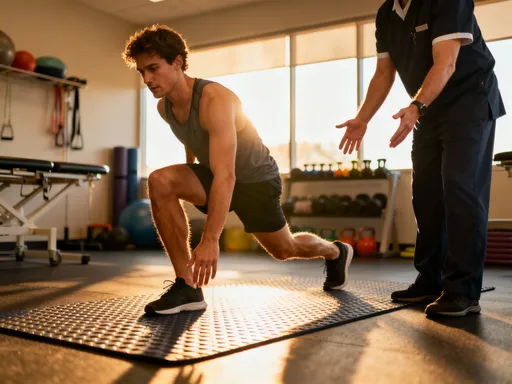
The distinction is critical: exercise maintains fitness; rehabilitation rebuilds function. Confusing the two can delay healing or lead to chronic issues. That’s why professional guidance—whether from a physical therapist, certified rehab specialist, or sports medicine provider—is essential. They assess individual needs, track progress, and adjust the program based on objective milestones, not just how someone feels on a given day.
The Science Behind Tissue Healing: What Really Happens in Your Body
To understand why rehabilitation must be strategic, it helps to know what happens inside the body during healing. Tissue repair follows a predictable biological sequence: inflammation, repair, and remodeling. Each phase plays a vital role, and movement influences all three. Contrary to old beliefs, complete rest is rarely the best approach. Instead, controlled, appropriate movement supports circulation, prevents stiffness, and signals the body to build stronger, more resilient tissue.
The first phase— inflammation—is often misunderstood. While swelling and discomfort are unpleasant, this stage is necessary. It brings immune cells to the injury site, clears damaged tissue, and sets the stage for rebuilding. Suppressing inflammation entirely with excessive ice or medication can interfere with natural healing. The key is moderation—managing symptoms without blocking the body’s repair mechanisms. During this time, gentle movement such as passive range-of-motion exercises helps maintain joint mobility without overloading the area.
The repair phase follows, where the body lays down new collagen fibers to bridge the injury. Think of this like laying down the first threads of a repair patch. These fibers are initially disorganized and weak. Movement during this stage must be carefully dosed—too little, and the tissue becomes stiff; too much, and the fragile fibers tear. This is where the concept of “therapeutic stress” becomes essential. Just as muscles grow stronger when challenged, healing tissues adapt when exposed to the right amount of load.
The final phase—remodeling—can last months or even years. Here, collagen fibers gradually align along lines of stress, becoming denser and more functional. This is where rehabilitation shifts from basic mobility to strength and coordination. The body essentially “learns” how to use the repaired tissue under increasing demands. Without guided progression, the tissue may heal but remain vulnerable to reinjury. Understanding these stages empowers individuals to trust the process, knowing that each phase builds toward long-term resilience.
Smart Loading: The Goldilocks Principle of Rehab
If healing were a recipe, the right amount of movement would be the most crucial ingredient. Too little, and tissues weaken; too much, and they break down. The goal is “just right”—a concept known as smart loading. This principle, often called the Goldilocks principle in rehabilitation science, means applying stress that is neither too light nor too heavy, but precisely calibrated to the tissue’s current capacity.
Smart loading is especially important in tendon rehabilitation, where conditions like tendinopathy require gradual adaptation. Tendons respond slowly to load, and sudden increases can cause flare-ups. A structured program might start with isometric contractions—holding a muscle contraction without movement—which have been shown to reduce pain and prepare tendons for further loading. Over weeks, the program progresses to slow concentric and eccentric movements, building strength without irritation.
After surgery, such as a rotator cuff repair or ACL reconstruction, smart loading is even more critical. Early stages focus on protecting the surgical site while preventing joint stiffness. Weight-bearing restrictions, bracing, and range-of-motion limits are common. As healing advances, load is introduced progressively—first through assisted movements, then resistance bands, and eventually free weights. The pace is determined not by a calendar but by functional milestones, such as achieving full range of motion or demonstrating pain-free control during specific tasks.
Professionals use tools like the pain-monitoring model to guide progression. A mild, temporary increase in discomfort during or after exercise—known as a “green light” response—is acceptable if it resolves within 24 hours. Persistent or worsening pain—a “red light”—signals the need to scale back. This data-driven approach removes guesswork and builds confidence. Patients learn to interpret their body’s signals, turning fear into informed decision-making.
Movement Re-Education: Retraining Your Body After Injury
Injury doesn’t just affect tissue—it changes how you move. Pain alters motor patterns, leading the body to compensate in ways that may feel natural but are often inefficient or harmful. For example, a person with a sprained ankle may shift weight to the opposite leg, creating strain in the hip or lower back. Over time, these compensations become automatic, even after the original injury has healed. This is why rehabilitation must include movement re-education—a process of retraining the nervous system to move with proper alignment and coordination.
One effective method is mirror feedback, where individuals perform exercises while watching their movements in real time. This visual input helps correct asymmetries and improves body awareness. A woman recovering from a wrist fracture, for instance, might use a mirror to ensure she’s not tilting her forearm during grip exercises. Seeing the movement allows the brain to adjust motor commands more precisely than verbal cues alone.
Slow-motion drills are another cornerstone of re-education. By reducing speed, individuals can focus on control, joint positioning, and muscle activation. A simple squat performed slowly reveals whether the knees track over the toes, the hips engage properly, and the spine remains neutral. These details are often lost at normal speed but are essential for safe, efficient movement. Over time, slow practice builds neural pathways that support automatic, correct patterns during daily activities.
Proprioceptive exercises—those that challenge balance and joint position sense—are equally important. These might include standing on one leg, using a foam pad, or performing controlled reaches. Proprioception, often diminished after injury, is the body’s ability to sense where its parts are in space. Restoring it reduces the risk of re-injury by improving reaction time and stability. For someone returning to gardening or carrying laundry, enhanced proprioception means better control on uneven surfaces or when multitasking.
Movement re-education transforms rehabilitation from passive recovery to active rebuilding. It’s not just about healing an injury—it’s about upgrading the body’s operating system for greater reliability and confidence.
The Mindset Shift: From Fixing to Building
One of the most profound changes in modern rehabilitation is the shift in mindset—from seeing recovery as merely “fixing” a problem to viewing it as an opportunity to build something stronger. Too often, people approach rehab with the sole goal of returning to how they were before the injury. But the body, when guided correctly, can emerge not just restored, but enhanced.
This transformation begins with addressing fear—the fear of movement, the fear of pain, the fear of failing again. These emotions are valid, especially after a setback that disrupted daily life. But fear, when unchecked, leads to avoidance, which weakens muscles, stiffens joints, and erodes confidence. Rehabilitation helps dismantle this cycle by introducing movement in safe, predictable increments. Each successful exercise builds trust—both in the body and in the process.
Building resilience goes beyond physical strength. It includes developing body awareness, understanding personal limits, and learning how to respond to signals like fatigue or discomfort. These skills don’t disappear after rehab ends; they become lifelong tools for injury prevention. A woman who has completed a back rehabilitation program may find she stands, lifts, and bends with greater mindfulness, reducing strain during household chores.
Professional support plays a key role in this mindset shift. Therapists don’t just prescribe exercises—they coach, educate, and encourage. They help patients reframe setbacks as feedback, not failure. This psychological dimension is as important as the physical one. Studies show that individuals with a positive outlook and high self-efficacy—belief in their ability to succeed—achieve better rehab outcomes and are more likely to adhere to their programs.
Recovery, when approached with this mindset, becomes a journey of growth. It’s not a detour from life—it’s an investment in a stronger, more aware version of oneself.
From Rehab to Resilience: Bridging to Real-Life Strength
The final phase of rehabilitation is not the end—it’s a transition. The goal is not just to complete exercises in a clinic but to carry those gains into everyday life. This is where functional training becomes essential. Unlike isolated movements, functional exercises mimic real-world activities—lifting, bending, reaching, walking on uneven ground. They prepare the body for the demands of home, work, and recreation.
For a woman recovering from a hip injury, this might mean practicing getting up from a low chair, carrying a laundry basket, or walking up stairs without support. These tasks require coordination, balance, and strength working together. A well-structured program gradually introduces these challenges, ensuring confidence and safety. The transition is not rushed; it’s measured by readiness, not timelines.
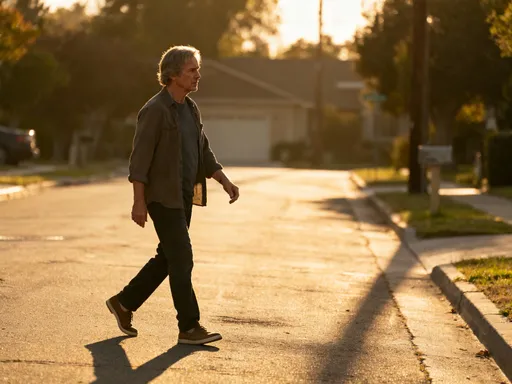
Sport- or task-specific preparation is another key element. If someone enjoys walking, the rehab plan might include progressively longer walks on varied terrain. If they garden, exercises may focus on controlled twisting, kneeling, and lifting. This personalization ensures that rehabilitation is meaningful and directly applicable. It also increases motivation, as patients see clear connections between their efforts and their goals.
Long-term resilience involves more than physical conditioning. It includes adopting habits that support joint health, such as proper posture, ergonomic adjustments at home, and regular movement breaks. It means listening to the body and knowing when to rest or seek help. It also involves maintaining strength and flexibility through ongoing exercise, even after formal rehab ends. A 10-minute daily routine of stretching and light strengthening can preserve gains and prevent future injuries.
This bridge from rehab to real life transforms recovery into a lasting upgrade. The body becomes not just healed, but better equipped to handle future challenges.
Rehabilitation, when done right, is far more than a response to injury. It is a science-guided, deeply personal process that rebuilds strength, restores function, and cultivates awareness. The true measure of success isn’t just returning to normal—it’s emerging with greater resilience, confidence, and understanding of one’s body. Healing takes time, patience, and the right strategy, but with professional guidance and a thoughtful approach, recovery becomes not a setback, but a powerful reset. This is not just about fixing what’s broken; it’s about building something stronger, smarter, and more enduring for life ahead.