What If Aging Wasn’t About Time—but How You Live?
What if the way you age isn’t decided by your genes, but by daily choices most people overlook? I used to think wrinkles and low energy were just inevitable—until I started paying attention. As a health management professional, I’ve tested science-backed strategies that don’t promise miracles, but deliver real, noticeable shifts. This isn’t about looking younger; it’s about staying strong, sharp, and vibrant. Here’s what actually works—no hype, just truth.
The Myth of Aging: Why Time Isn’t the Real Enemy
Aging is often seen as a simple matter of time—each birthday marking another step toward frailty and decline. But modern science reveals a more empowering truth: your biological age, not your chronological age, determines how well you age. Two people can both be 55, yet one may have the energy, mobility, and metabolic health of someone decades younger. This difference lies in how their cells function, how their bodies repair damage, and how they respond to stress. Chronological age counts the years; biological age reflects the condition of your body’s internal systems.
The concept of health span—how many years you live in good health—has become as important as lifespan. Living to 90 means little if the last two decades are marked by chronic pain, fatigue, or dependence. The goal is not just to extend life, but to extend vitality. Think of it like a car: two vehicles from the same model year can have vastly different conditions based on how they’ve been maintained. One may run smoothly at 150,000 miles; the other may break down at 80,000. Your body is no different. Daily habits either preserve its function or accelerate wear and tear.
Three key biological processes influence how fast you age: chronic inflammation, cellular stress, and metabolic dysfunction. Inflammation, when persistent and low-grade, damages tissues and is linked to nearly every age-related condition, from joint stiffness to cognitive decline. Cellular stress, particularly oxidative stress from free radicals, harms DNA and mitochondria—the energy powerhouses of your cells. Meanwhile, poor metabolic health, such as insulin resistance, disrupts energy regulation and promotes fat storage, especially around organs. These factors are not fixed by genetics alone. Research shows that up to 75% of how we age is influenced by lifestyle, not DNA. This means that aging is not a passive process—it is, in many ways, a choice shaped by daily behavior.
The encouraging takeaway is that biological aging is modifiable. Landmark studies, including those on identical twins, demonstrate that lifestyle differences lead to significant variations in biological age, even among people with the same genetic blueprint. Factors like diet, physical activity, sleep quality, and stress management can slow down—or even reverse—markers of aging. This shift in understanding transforms aging from an inevitable decline into a dynamic process that can be supported, guided, and optimized. The real enemy isn’t time. It’s the unnoticed habits that silently erode health over years.
The Hidden Triggers: What’s Accelerating Your Biological Clock?
Beneath the surface of daily life, invisible forces are at work—some preserving youth, others quietly speeding up the aging process. Many women in their 30s, 40s, and 50s report feeling tired, achy, or mentally foggy, assuming these are normal signs of getting older. But often, these symptoms are not caused by age itself, but by lifestyle patterns that increase biological stress. The real accelerators of aging aren’t dramatic events—they’re the small, repeated choices: skipping sleep, eating processed snacks, sitting for hours, or managing constant stress without recovery.
One of the most significant hidden drivers is chronic low-grade inflammation, often called “inflammaging.” Unlike acute inflammation, which helps the body heal from injury, inflammaging is a silent, ongoing state that damages tissues over time. It’s fueled by factors like poor diet, lack of movement, and emotional stress. Over the years, this internal fire contributes to stiffer joints, duller skin, slower recovery, and even changes in mood and memory. Inflammaging is linked to conditions such as arthritis, heart concerns, and metabolic slowdown—all commonly mistaken as unavoidable parts of aging, but in reality, they are often preventable.
Another major contributor is insulin resistance, a condition where cells become less responsive to insulin, the hormone that helps manage blood sugar. When this happens, the body stores more fat, especially around the abdomen, and energy levels become unstable. Many women notice they can no longer eat the way they did in their 20s without gaining weight—this isn’t just aging. It’s a sign that metabolic flexibility is declining. Insulin resistance also promotes glycation, a process where sugar molecules attach to proteins like collagen, making skin less elastic and tissues stiffer. This is why high sugar intake is linked not only to internal health risks but also to visible signs of aging.
Oxidative stress is another silent culprit. Every time your body converts food into energy, free radicals are produced. In small amounts, they play a role in cell signaling. But when antioxidant defenses are overwhelmed—due to poor diet, pollution, or chronic stress—these free radicals damage cells, proteins, and DNA. Over time, this damage accumulates, leading to mitochondrial dysfunction and reduced energy production. The result? Persistent fatigue, slower healing, and a feeling of being “worn out.” These internal processes explain why two women the same age can have such different experiences of energy, resilience, and appearance. The key is recognizing that aging isn’t happening to you—it’s responding to how you live.
Reprogramming Your Body: The Core Principles of Anti-Aging Health Management
True anti-aging isn’t about creams or quick fixes. It’s about reprogramming your body’s internal environment to support long-term health. This approach shifts the focus from reacting to symptoms to proactively maintaining function. Just as a home needs regular maintenance to stay in good condition, your body thrives when its core systems are supported consistently. The foundation of this strategy rests on three pillars: metabolic flexibility, cellular repair, and hormonal balance. When these systems work well, you feel stronger, recover faster, and maintain energy and clarity well into later years.
Metabolic flexibility refers to your body’s ability to switch efficiently between using glucose and fat for fuel. When this function declines, energy crashes become common, weight management gets harder, and fat storage increases. Supporting metabolic flexibility means eating in a way that stabilizes blood sugar, avoiding constant snacking, and allowing periods between meals for the body to tap into fat stores. This doesn’t require extreme fasting or rigid diets. Simple practices like waiting a few hours after waking before eating, or finishing dinner earlier in the evening, can make a meaningful difference over time.
Cellular repair is equally vital. Your body has built-in mechanisms to clean out damaged components and regenerate healthy cells. One of the most important processes is autophagy, often described as the body’s “self-cleaning” system. During autophagy, cells remove worn-out proteins and damaged organelles, making room for new, functional ones. This process is naturally activated during periods of rest, fasting, and physical activity. Supporting it means giving your body time to recover—through quality sleep, mindful eating windows, and movement that challenges but doesn’t exhaust.
Hormonal balance plays a central role, especially for women navigating perimenopause and beyond. Hormones like cortisol, insulin, estrogen, and thyroid hormones influence energy, mood, metabolism, and tissue health. Chronic stress, poor sleep, and diet imbalances can disrupt this delicate system, leading to fatigue, weight gain, and emotional fluctuations. The goal isn’t to boost or suppress hormones artificially, but to create conditions where they can function optimally. This means managing stress, supporting liver detoxification pathways, and providing the nutrients hormones need to be produced and metabolized properly. Anti-aging, then, is not about fighting nature—it’s about working with it.
Fueling Longevity: What to Eat (and Skip) for a Younger You
Nutrition is one of the most powerful tools for influencing how you age. What you eat directly affects inflammation, metabolism, and cellular health. The goal isn’t to follow a trendy diet, but to build a sustainable eating pattern that supports vitality. This means focusing on whole, nutrient-dense foods that provide the building blocks your body needs to repair and renew itself. The best anti-aging diets aren’t defined by restrictions, but by abundance—especially the abundance of plant-based foods rich in fiber, antioxidants, and phytonutrients.
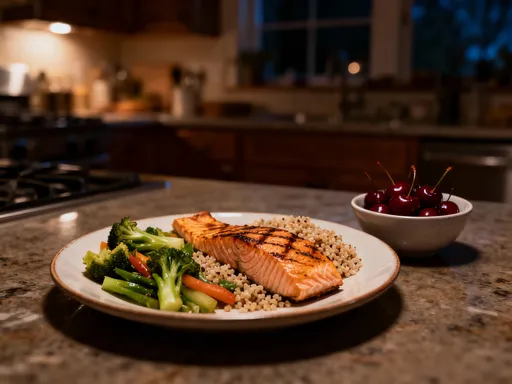
A key principle is nutrient density: getting the most vitamins, minerals, and protective compounds per calorie. Leafy greens, colorful vegetables, berries, nuts, seeds, legumes, and whole grains are all excellent choices. These foods support detoxification, reduce oxidative stress, and feed the gut microbiome—the community of beneficial bacteria that plays a crucial role in immune function and inflammation control. A diverse, plant-rich diet has been linked to longer telomeres, the protective caps on chromosomes that shorten with age. The more varied your plate, the more you support your body’s resilience.
Healthy fats are another cornerstone. Omega-3 fatty acids, found in fatty fish, flaxseeds, and walnuts, help reduce inflammation and support brain health. Monounsaturated fats, like those in olive oil and avocados, improve cholesterol profiles and protect blood vessels. At the same time, it’s important to minimize foods that accelerate aging. Refined sugars and highly processed carbohydrates cause rapid spikes in blood sugar, leading to glycation and increased fat storage. These foods are often hidden in sauces, packaged snacks, and even “healthy” bars. Reading labels and choosing whole ingredients can help avoid these pitfalls.
How you eat matters as much as what you eat. Time-aware eating—allowing a break of 12 to 14 hours between dinner and breakfast—gives your digestive system a rest and supports metabolic health. This simple habit can improve insulin sensitivity and promote fat burning. Mindful eating, such as chewing thoroughly and eating without distractions, enhances digestion and helps you recognize fullness cues. There’s no need for perfection. Small, consistent choices—like adding an extra serving of vegetables to dinner or swapping a processed snack for a handful of almonds—add up over time. The goal is progress, not purity.
Move Like It Matters: The Exercise Equation for Lifelong Energy
Physical activity is one of the most effective anti-aging interventions available—and it’s free. Yet, many women associate exercise only with weight loss or appearance, missing its deeper role in preserving function and independence. Movement isn’t just about burning calories; it’s about maintaining the strength, balance, and flexibility needed to live fully at every stage of life. The right kind of exercise supports muscle mass, bone density, joint health, and brain function, all of which decline without use.
Muscle mass is especially important. After age 30, adults lose about 3–5% of muscle each decade, a process that accelerates after 50. This loss, known as sarcopenia, slows metabolism, increases fall risk, and reduces mobility. Strength training—even just two sessions per week—can prevent and even reverse this decline. It doesn’t require heavy weights or a gym. Bodyweight exercises like squats, lunges, and push-ups against a wall, or using resistance bands at home, are highly effective. The key is consistency and progressive challenge: gradually increasing intensity over time to keep muscles engaged.
Equally important is movement throughout the day. Sitting for long periods slows circulation, stiffens joints, and disrupts metabolism. Simple habits—like standing while talking on the phone, taking short walks after meals, or doing gentle stretches during TV time—can counteract these effects. Aerobic activity, such as brisk walking, swimming, or cycling, supports heart health and endurance. Even 20 to 30 minutes most days can improve energy, mood, and sleep quality. Mobility work, including yoga or tai chi, enhances flexibility and body awareness, reducing the risk of injury and improving posture.
The best exercise routine is one you can stick with. It doesn’t have to be long or intense. What matters is regularity and variety. Combining strength, aerobic, and mobility training creates a balanced approach that supports the whole body. And remember, movement is not just for fitness—it’s a form of self-care. Every step, stretch, and lift is an investment in your future self, helping you stay active, independent, and engaged in life.
Sleep, Stress, and the Silent Regenerators
While diet and exercise get most of the attention, sleep and stress management are equally critical for healthy aging—yet often overlooked. These are the silent regenerators: invisible processes that repair cells, reset hormones, and clear metabolic waste from the brain. Without them, even the best diet and workout routine can’t fully protect against decline. Quality sleep and effective stress regulation are not luxuries. They are non-negotiable pillars of long-term health.
Sleep is when the body performs its deepest maintenance. During deep sleep, growth hormone is released, aiding tissue repair. The brain activates the glymphatic system, a cleaning process that removes waste products linked to cognitive decline. Poor or fragmented sleep disrupts these functions, leading to increased inflammation, impaired glucose metabolism, and reduced resilience. Many women struggle with sleep due to hormonal shifts, stress, or lifestyle habits like late-night screen use. Creating a consistent bedtime routine, limiting blue light in the evening, and keeping the bedroom cool and dark can improve sleep quality significantly.
Chronic stress, especially when unmanaged, is one of the fastest accelerators of biological aging. When stress is constant, the body remains in a state of high alert, with elevated cortisol levels. Over time, this disrupts sleep, weakens immunity, increases belly fat, and shortens telomeres. The good news is that the nervous system can be trained to recover. Simple techniques like diaphragmatic breathing, mindfulness, or spending time in nature can activate the parasympathetic nervous system—the “rest and digest” mode. Setting boundaries with technology, scheduling downtime, and practicing gratitude are practical ways to reduce daily stress load.
Recovery isn’t passive. It’s an active part of health management. Just as a machine needs downtime to function well, so does the human body. Prioritizing rest doesn’t mean being lazy—it means honoring your body’s need to recharge. When sleep and stress are under control, energy improves, mood stabilizes, and the body becomes more resilient to the challenges of aging. These quiet moments of restoration are where true longevity is built.
Putting It All Together: A Realistic Roadmap for Long-Term Vitality
Living in a way that supports healthy aging doesn’t require perfection. It’s not about overhauling your life overnight, but about making small, consistent choices that add up over time. The most effective approach is flexible and personalized—one that fits your schedule, preferences, and stage of life. Start by focusing on one area at a time. If sleep is poor, begin with a calming evening routine. If movement is lacking, commit to a 10-minute walk after dinner. Small wins build confidence and create momentum.
Progress, not perfection, is the goal. You don’t need to eliminate all sugar or exercise for an hour every day. Even modest improvements—like drinking more water, adding one vegetable to each meal, or taking three deep breaths when stressed—can shift your biological trajectory. Track how you feel, not just how you look. Notice changes in energy, mood, digestion, or sleep. These are the real markers of health. Over time, you may find that clothes fit better, mental clarity improves, and daily tasks feel easier—all signs that your body is functioning more efficiently.
It’s also important to work with healthcare professionals, especially when making significant changes. Blood tests can reveal insights about inflammation, hormone levels, and metabolic health. A registered dietitian, physical therapist, or wellness coach can provide personalized guidance. Anti-aging is not a solo journey. It’s supported by knowledge, community, and professional care. Always consult your doctor before starting new supplements, exercise programs, or eating patterns, particularly if you have existing health conditions.
Aging well is not about defying time. It’s about respecting your body and making daily choices that honor its needs. It’s a quiet act of self-respect—choosing a nourishing meal, taking a walk in the fresh air, pausing to breathe deeply, or going to bed on time. These moments may seem small, but together, they shape the quality of your years. The future you is being shaped by what you do today. And the most powerful tool you have isn’t a pill or a procedure—it’s your daily routine. When you live with intention, aging becomes not a decline, but a continued unfolding of strength, wisdom, and vitality.