What I Ate to Finally Sleep Through the Night
Struggling with sleep used to be my nightly routine—tossing, turning, and staring at the ceiling. I tried everything until I realized my diet was secretly sabotaging my rest. What I discovered wasn’t a miracle cure, but real, science-backed changes that actually work. This is the guide I wish I had years ago, packed with simple, doable tweaks that transformed my sleep quality—one bite at a time. It’s not about extreme restrictions or trendy supplements. It’s about understanding how everyday foods influence your body’s ability to wind down, stay asleep, and wake up refreshed. The connection between what you eat and how you sleep is deeper than most people realize, and once you begin to see it, the path to better rest becomes clearer.
The Hidden Link Between Food and Sleep
Diet plays a far more significant role in sleep quality than many assume. While most people know that caffeine and alcohol can disrupt rest, few recognize how broader dietary patterns affect their nightly recovery. What you eat influences your body’s internal chemistry, including blood sugar regulation, digestive function, and the production of key neurotransmitters like serotonin and melatonin—both essential for healthy sleep cycles. Serotonin acts as a precursor to melatonin, the hormone that signals to your brain that it’s time to sleep. When your diet lacks the nutrients needed to produce these compounds, your natural sleep rhythm can become unbalanced.
Blood sugar stability is another critical factor. Meals high in refined carbohydrates or added sugars can cause rapid spikes and crashes in glucose levels, especially if eaten close to bedtime. These fluctuations may not wake you outright, but they can prevent you from entering deep, restorative stages of sleep. Instead of resting peacefully, your body remains in a state of subtle alertness, working to regulate energy levels throughout the night. This leads to fragmented sleep and morning fatigue, even after spending eight hours in bed.
Another common misconception is that eating a large, heavy meal before bed promotes drowsiness and therefore better sleep. While it’s true that digestion can make you feel sluggish, lying down with a full stomach can trigger acid reflux or indigestion, both of which interfere with uninterrupted sleep. Additionally, the body prioritizes digestion over rest when food is still being processed, meaning your organs remain active when they should be slowing down. This disrupts the natural transition into restful states, particularly REM sleep, which is vital for memory consolidation and emotional regulation.
Meanwhile, chronic inflammation caused by processed foods, trans fats, and excessive sugar intake has been linked to poorer sleep quality. Studies suggest that individuals consuming diets high in inflammatory foods report more insomnia symptoms and reduced sleep efficiency. The good news is that anti-inflammatory foods—such as leafy greens, berries, nuts, and fatty fish—can support both metabolic health and restful sleep. By recognizing these hidden connections, you begin to see food not just as fuel, but as a regulator of your body’s nightly rhythm.
My Nighttime Struggles—and What Finally Worked
For years, I believed I was doing everything right. I avoided coffee after noon, turned off screens an hour before bed, and even invested in a high-end sleep tracker. Yet, I still found myself wide awake at 2 a.m., mentally replaying the day’s events or worrying about tomorrow. Meditation helped briefly, and reading calmed my mind, but nothing provided lasting relief. I blamed stress, aging, or simply being a “light sleeper.” It never occurred to me that my evening meals might be the root cause.
The turning point came after a routine blood test revealed slightly elevated inflammation markers and borderline insulin resistance. My doctor didn’t mention sleep directly, but she emphasized the importance of dietary balance, particularly in the evening. That conversation sparked my curiosity. I began researching how food affects sleep and was surprised by the depth of scientific evidence linking nutrition to rest. I realized I often ate dinner late—sometimes within an hour of bedtime—and my go-to snacks included crackers, cheese, and occasionally ice cream. While none of these were inherently “bad,” their timing and composition were working against my sleep goals.
Instead of jumping into a strict elimination diet, I decided to make gradual, sustainable changes. I started by shifting my dinner earlier and replacing sugary desserts with fruit and yogurt. Within a few weeks, I noticed subtle improvements: falling asleep faster, fewer nighttime awakenings, and feeling more alert in the morning. These small wins motivated me to explore further. I learned that consistency mattered more than perfection. One late meal or occasional treat didn’t ruin my progress, but patterns over time made the real difference.
What worked wasn’t a single magic food or supplement, but a combination of mindful choices. I began paying attention to how different meals made me feel hours later. Did I feel energized or sluggish? Did I wake up thirsty or bloated? These observations helped me fine-tune my habits. Over time, better sleep became less of a struggle and more of a natural outcome of daily choices. The biggest lesson was this: sleep isn’t just about bedtime routines—it’s also about what happens on your plate long before you climb into bed.
Foods That Help You Fall Asleep (And Why They Work)
Certain foods naturally support sleep by providing nutrients that help regulate your body’s sleep-wake cycle. One of the most well-researched is tart cherry juice, which contains small amounts of melatonin, the hormone responsible for signaling sleep onset. Studies have shown that drinking tart cherry juice can modestly increase melatonin levels and improve both sleep duration and quality, especially in middle-aged and older adults. A small glass in the evening—about 8 ounces—can be an easy way to introduce this benefit without added sugar.
Bananas are another excellent choice. They contain potassium and magnesium, two minerals that help relax muscles and calm the nervous system. They also provide tryptophan, an amino acid used by the body to produce serotonin and, eventually, melatonin. While tryptophan is often associated with turkey, bananas offer a gentler, plant-based source that pairs well with other sleep-supportive foods. Eating a banana with a small handful of almonds enhances this effect, as almonds also contain magnesium and healthy fats that promote satiety and stable blood sugar.
Oats are a comforting, low-glycemic carbohydrate that can aid sleep when consumed in moderation. They naturally contain melatonin and help the body absorb tryptophan more efficiently. A small bowl of plain oatmeal made with milk or a dairy-free alternative, topped with a few slices of banana or a spoonful of almond butter, makes a soothing evening snack. Unlike sugary cereals, this combination provides steady energy release without spiking blood sugar.
Chamomile tea has long been used as a natural sleep aid, and modern research supports its calming properties. It contains apigenin, an antioxidant that binds to receptors in the brain associated with reducing anxiety and initiating sleep. Drinking a cup of chamomile tea 30 to 60 minutes before bed can help signal to your body that it’s time to wind down. Its mild, floral flavor makes it a pleasant alternative to sugary desserts or caffeinated drinks.
Other foods that support sleep include warm milk (which contains tryptophan and calcium, both involved in melatonin production), kiwi (shown in small studies to improve sleep onset and duration), and pumpkin seeds (rich in magnesium and zinc). The key is not to overconsume any one food, but to incorporate a variety of these options into your evening routine in balanced, reasonable portions. When combined with good sleep hygiene, these foods can gently guide your body toward rest without relying on medications or drastic changes.
Foods That Sabotage Your Sleep (Even If You Don’t Notice)
Just as some foods support sleep, others can quietly undermine it—even if you don’t feel immediately affected. Processed sugars are among the most common culprits. Foods like cookies, pastries, or sweetened yogurts may seem harmless as evening snacks, but they cause rapid increases in blood glucose, followed by insulin surges that can lead to nighttime awakenings. These mini crashes often occur during the early morning hours, disrupting deep sleep and leaving you feeling unrested.
Spicy meals consumed late in the evening can also interfere with rest. While they may not keep you awake outright, they can cause gastrointestinal discomfort or heartburn, especially when lying down. Acid reflux is more likely after eating fiery dishes, and even mild symptoms can fragment sleep by causing micro-awakenings that you might not consciously remember. Over time, this leads to poorer sleep efficiency and daytime fatigue.
Refined carbohydrates—such as white bread, pasta, and rice—are quickly broken down into glucose, leading to similar blood sugar fluctuations as sugary foods. A dinner centered around a large plate of pasta may make you feel drowsy at first, but that sleepiness is often followed by restless, shallow sleep. Replacing refined grains with whole grains like quinoa, brown rice, or barley can help maintain more stable energy levels throughout the night.
Another hidden disruptor is late-night snacking, especially on high-fat or high-protein foods. While a small, balanced snack can be helpful for some, large portions or heavy foods require more digestive effort, keeping your metabolism active when it should be slowing down. This delays the onset of deep sleep and reduces overall sleep quality. If you’re hungry before bed, opt for light, easily digestible options like a slice of whole-grain toast with almond butter or a small serving of cottage cheese with berries.
Caffeine and alcohol are well-known sleep disruptors, but their effects are often underestimated. Caffeine has a half-life of up to six hours, meaning that even an afternoon coffee can affect your ability to fall asleep. Alcohol, while initially sedating, suppresses REM sleep and leads to more fragmented rest later in the night. Avoiding both in the hours leading up to bedtime is one of the most effective dietary changes you can make for better sleep.
Timing Matters: When You Eat Is Half the Battle
The timing of your meals is just as important as their content. Your body follows a circadian rhythm that influences digestion, hormone release, and sleep cycles. Eating too close to bedtime forces your digestive system to remain active during a time when it should be winding down. This misalignment can delay sleep onset and reduce the quality of your rest. A general guideline is to finish dinner at least two to three hours before going to bed, allowing enough time for digestion to occur before lying down.
This window helps prevent acid reflux, stabilizes blood sugar, and gives your body a chance to transition into rest mode. For example, if you go to bed at 10 p.m., aim to eat dinner by 7 p.m. If your schedule makes this difficult, consider making lunch your largest meal and having a lighter dinner. This approach, sometimes called “front-loading” your calories, aligns better with natural energy needs and supports evening relaxation.
Intermittent eating patterns, such as a 12-hour fasting window, have also been linked to improved sleep quality. By finishing your last meal earlier and not eating again until breakfast, you allow your body a longer period of metabolic rest. This can enhance insulin sensitivity, reduce inflammation, and support more consistent sleep patterns. You don’t need to follow a strict fasting protocol—simply being mindful of when you eat can make a noticeable difference.
Additionally, late eating has been shown to shift circadian rhythms, delaying the release of melatonin and making it harder to fall asleep at a regular time. Research indicates that eating late can reduce REM sleep, the stage associated with dreaming and emotional processing. Over time, this can affect mood, memory, and overall cognitive function. By aligning your eating schedule with daylight hours, you reinforce your body’s natural sleep-wake cycle and improve sleep efficiency.
Building Your Nightly Routine: Simple Dietary Tweaks That Stick
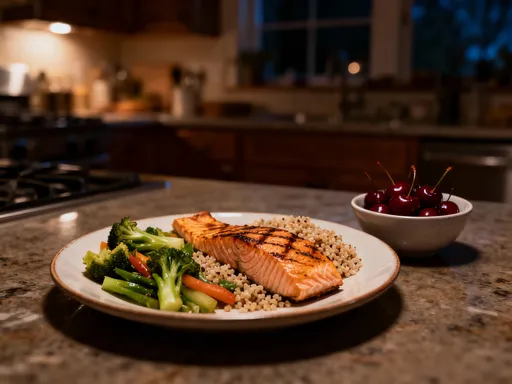
Creating a sustainable evening eating routine doesn’t require drastic changes. Start by visualizing a balanced plate for dinner: half filled with non-starchy vegetables, one-quarter with lean protein, and one-quarter with complex carbohydrates. This combination supports steady energy release, promotes satiety, and provides the nutrients needed for sleep regulation. For example, a dinner of grilled salmon, quinoa, and roasted broccoli offers omega-3 fatty acids, magnesium, and fiber—all beneficial for rest.
A 3-day sample plan can help you get started. On day one, try a dinner of baked chicken with sweet potato and sautéed spinach, followed by a small bowl of mixed berries. On day two, enjoy a lentil stew with whole-grain bread and a side salad, then sip chamomile tea before bed. On day three, have a stir-fry with tofu, brown rice, and colorful vegetables, and finish with a banana and a few almonds. These meals are nourishing, satisfying, and designed to support sleep without feeling restrictive.
Small habits make a big difference over time. Replace late-night ice cream with warm milk and a sprinkle of cinnamon, or trade sugary tea for herbal varieties like passionflower or lemon balm. Keep healthy snacks accessible—such as pre-portioned nuts or sliced apples with nut butter—so you’re not tempted by less sleep-friendly options. Consistency is key; the more these choices become routine, the more natural they feel.
Planning ahead also reduces decision fatigue. Prepare simple meals in advance, especially on busy evenings. Having a go-to list of sleep-supportive recipes ensures you’re not reaching for convenience foods that may disrupt rest. Over time, these tweaks become second nature, and you’ll likely notice improvements not just in sleep, but in energy, mood, and overall well-being.
Beyond Diet: Pairing Food Choices with Lifestyle for Maximum Impact
Diet is a powerful tool, but it works best when combined with other healthy lifestyle habits. Hydration plays a role—being well-hydrated during the day supports bodily functions, but drinking too much fluid right before bed can lead to disruptive nighttime bathroom trips. Aim to drink most of your water earlier in the day and taper off in the evening.
Light exposure also influences sleep. Natural daylight helps regulate your circadian rhythm, while blue light from screens can suppress melatonin. Pairing a balanced evening meal with a screen-free wind-down routine—such as reading, gentle stretching, or listening to calming music—reinforces your body’s readiness for sleep. Consider dimming the lights in your home an hour before bed to signal that it’s time to relax.
Physical activity supports both digestion and sleep quality, but timing matters. Exercising too close to bedtime may be stimulating for some, while others find it helps them unwind. Find what works for you, but aim to finish vigorous workouts at least a few hours before bed. Gentle movement, like a short evening walk after dinner, can aid digestion and promote relaxation.
Sleep is not something you can force—it’s something you prepare for. By treating food as part of a broader nightly ritual, you create conditions that make rest more likely. Progress may be gradual, but improvements in sleep depth, mood stability, and daytime focus are often noticeable within a few weeks. The goal isn’t perfection, but awareness and consistency. When you align your choices with your body’s natural rhythms, better sleep becomes not just possible, but sustainable.
Improving sleep through diet isn’t about perfection—it’s about awareness and small, smart choices. Once I aligned my plate with my sleep goals, the change was undeniable. This isn’t a quick fix, but a lasting shift. By treating food as part of your nightly ritual, you’re not just feeding your body—you’re setting the stage for deeper, more restful sleep, night after night.