Why Your Back Pain Won’t Quit? How I Found Calm and Strength Through Spine-Smart Living
Lower back pain is more than physical—it’s emotional, frustrating, and exhausting. I used to wake up stiff, stressed, and defeated. But when I stopped chasing quick fixes and started listening to my body and mind, everything shifted. Turns out, protecting your lumbar spine isn’t just about posture or exercise—it’s about balance, consistency, and mental resilience. This is what changed for me—and why it might work for you too.
The Hidden Link Between Stress and Lower Back Pain
Many people assume lower back pain stems solely from physical strain—lifting something heavy, sitting too long, or sleeping awkwardly. While these factors can contribute, there’s a deeper, often overlooked force at play: psychological stress. When the mind is under pressure, the body responds in tangible ways. The lumbar region, which supports much of the upper body’s weight, becomes a common storage site for tension. This isn’t metaphorical—it’s physiological. Chronic stress triggers the release of cortisol and adrenaline, hormones that prepare the body for action. In the short term, this is useful. But when stress becomes constant, these chemicals keep muscles in a state of low-grade contraction, especially in the lower back, hips, and shoulders.
This sustained muscle tightness alters spinal alignment. The erector spinae, a group of muscles running along the spine, can become overworked and fatigued. As they tighten, they pull the vertebrae out of optimal positioning, increasing pressure on the intervertebral discs. Over time, this can lead to irritation of nerves, reduced flexibility, and a persistent ache that doesn’t respond well to rest or medication. What’s more, the brain’s pain-processing centers become hypersensitive under chronic stress. This means that even minor physical strain can be interpreted as significant pain—a phenomenon known as central sensitization. In essence, emotional overload doesn’t just make you feel worse; it changes how your nervous system interprets physical signals.
Consider a typical weekday: a long commute, back-to-back meetings, household responsibilities piling up. The mind races with unresolved tasks, and the body remains seated for hours, often in a slouched position. The combination of mental strain and poor biomechanics creates a perfect storm for lumbar discomfort. You may not have injured yourself, yet the pain feels real—and it is. The key insight is that relief may not come solely from stretching or massaging the area. Instead, addressing the underlying stress response can be just as critical. Techniques that calm the nervous system—such as mindful breathing, brief movement breaks, or even moments of mental pause—can reduce muscle guarding and create space for healing.
Understanding this mind-body connection shifts the approach to back pain from purely mechanical to integrative. It’s not about blaming emotions for physical symptoms, but recognizing that the body functions as a unified system. When psychological tension is acknowledged and managed, physical relief often follows. This doesn’t mean ignoring structural issues or avoiding medical evaluation when necessary. Rather, it means expanding the toolkit beyond painkillers and stretches to include strategies that support both mental and physical well-being. For many, this broader perspective is the missing piece in their journey toward lasting relief.
My Wake-Up Call: When "Normal" Back Discomfort Became a Lifestyle Red Flag
For years, I dismissed my lower back pain as an unavoidable part of adult life. I told myself it was normal to feel stiff after gardening, sore after a long day at the desk, or achy when the weather changed. I used over-the-counter pain relievers without hesitation, stretched occasionally when I remembered, and hoped the discomfort would fade on its own. But over time, the pain became less occasional and more constant. Mornings started with a ritual of slow movements just to get out of bed. Bending to tie a shoe or lift a grocery bag required caution. Simple pleasures, like walking through a park or playing with grandchildren, were often followed by days of recovery.
The turning point came during a family trip. We planned a day at a nature reserve, something I had looked forward to for weeks. But after just thirty minutes of walking on a gentle trail, a sharp, familiar ache radiated from my lower back. By midday, I was sitting on a bench while everyone else explored, smiling through disappointment. That moment stung more than the pain. I realized I wasn’t just managing discomfort—I was losing parts of my life to it. The frustration wasn’t just physical; it was emotional. I felt trapped, as though my body had betrayed me. I began to dread activities I once enjoyed, and that sense of limitation seeped into my mood, making me irritable and withdrawn.
I sought help from a physical therapist, hoping for a quick fix—a specific exercise, a magic stretch, or a device that would finally resolve the issue. I was given a set of generic stretches and advised to strengthen my core. I followed the routine diligently for a few weeks, but the relief was temporary. The pain returned, often triggered by stress or fatigue. I tried heat pads, massage tools, and even a posture-correcting brace, but nothing delivered lasting change. It wasn’t until I had a conversation with my therapist about lifestyle habits that I began to see the bigger picture. She asked about my sleep, my workday, my stress levels, and how I moved throughout the day. I realized that my physical symptoms were intertwined with how I lived—long hours sitting, poor sleep, constant mental load, and minimal movement breaks.
This awareness was both overwhelming and liberating. Overwhelmed, because it meant the solution wasn’t a single action but a series of daily choices. Liberating, because it meant I had more control than I thought. I didn’t need a miracle cure; I needed a sustainable approach. I decided to shift from chasing relief to building resilience. Instead of focusing only on what hurt, I began to ask: What does my body need to feel supported? This mindset change—from fixing to nurturing—became the foundation of my recovery. It wasn’t about perfection, but about consistency, awareness, and kindness toward myself. And slowly, steadily, my back began to respond.
The Daily Habits That Actually Protect Your Lower Back
After years of trial and error, I discovered that long-term spinal health isn’t built through intense workouts or expensive treatments, but through small, repeatable habits woven into daily life. Three practices became non-negotiable for me: mindful sitting, core engagement, and regular movement breaks. These aren’t flashy or dramatic, but their cumulative effect is profound. Unlike aggressive exercises that can sometimes aggravate pain, these habits work gently and consistently to support the lumbar spine.
Mindful sitting is perhaps the most impactful. Most adults spend hours each day seated—at desks, in cars, on sofas. Poor sitting posture, such as slouching or perching on the edge of a chair, places excessive pressure on the lower back discs. The spine’s natural S-curve flattens, shifting weight unevenly and straining supporting muscles. To counter this, I learned to sit with my hips slightly higher than my knees, using a cushion if needed, and to maintain a neutral spine by engaging my lower abdominal muscles slightly. Keeping feet flat on the floor and shoulders relaxed also helps. At work, I adjusted my chair height, used a lumbar roll, and positioned my computer screen at eye level to avoid forward head posture. These changes didn’t eliminate pain overnight, but they reduced the daily wear and tear on my spine.
Core engagement is another cornerstone. The core isn’t just about visible abs; it includes deep stabilizing muscles like the transversus abdominis and the pelvic floor. These muscles act like a natural corset, supporting the spine during movement. I began incorporating gentle activation exercises into my routine—simple pelvic tilts while lying down, or drawing the navel toward the spine while breathing normally. I didn’t do dozens of repetitions; instead, I focused on quality and awareness. Over time, this subtle engagement became automatic, even during everyday tasks like lifting a laundry basket or standing in line. The result? Greater stability and less strain on the lower back.
Movement breaks are equally essential. Sitting for long periods causes the hip flexors to tighten and the glutes to weaken—both of which contribute to poor pelvic alignment and increased lumbar load. I set a timer to stand up and move every 45 minutes. These breaks don’t require exercise; sometimes I just walk to the kitchen, stretch my arms overhead, or do a few gentle twists. The goal is to reset posture and restore circulation. On days when I honor this rhythm, my back feels lighter and more resilient. The lesson is clear: consistency matters more than intensity. Small actions, repeated daily, build a foundation of support that protects the spine over time.
Breathing, Grounding, and Movement: How I Calmed My Nervous System to Ease My Spine
One of the most surprising discoveries in my journey was the power of breath. I had always associated breathing with relaxation, but I didn’t realize how directly it affects spinal health. Shallow, chest-dominant breathing—common during stress—activates the sympathetic nervous system, keeping the body in a state of alert. This increases muscle tension, including in the lower back. In contrast, diaphragmatic breathing, which engages the deep abdominal muscles and expands the belly with each inhale, signals safety to the brain. This activates the parasympathetic nervous system, promoting relaxation and reducing muscle guarding.
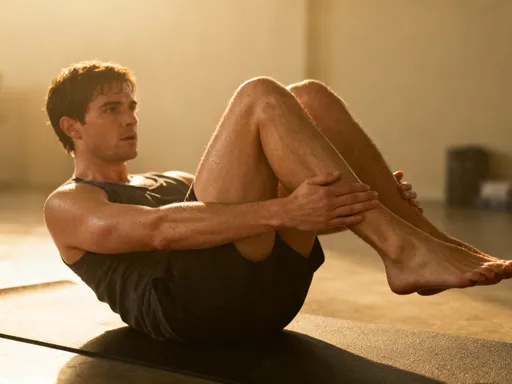
I began a simple 5-minute daily routine: lying on my back with knees bent, one hand on my chest and the other on my belly. I focused on inhaling slowly through the nose, letting the belly rise, and exhaling fully through the mouth. With each breath, I gently rocked the pelvis—tilting it slightly upward on the exhale, releasing on the inhale. This subtle movement, combined with deep breathing, created a calming rhythm that eased tension in my lower back. Over time, I noticed that on days I practiced this, my pain levels were lower, and I felt more centered.
This practice also improved my body awareness. I became more attuned to moments of tension—clenched jaws, tight shoulders, shallow breath—and could intervene before discomfort escalated. I extended this mindfulness to movement, adopting practices like walking meditation. Instead of rushing from one task to the next, I took short walks with full attention on each step, feeling my feet connect with the ground. This grounding effect reduced mental chatter and physical strain simultaneously. Yoga-inspired routines, such as gentle cat-cow stretches or child’s pose, also became part of my toolkit. These weren’t about flexibility or performance, but about reconnecting with my body in a kind, non-judgmental way.
The connection between psychological balance and physical ease became undeniable. When my mind was calm, my muscles relaxed. When my nervous system felt safe, my spine didn’t have to brace against invisible threats. This didn’t mean pain disappeared completely, but it lost its grip on my daily life. By addressing the nervous system directly, I created internal conditions where healing could occur. It was no longer just about fixing the back—it was about nurturing the whole self.
Sleep, Posture, and Emotional Recovery: The Night Routine That Made a Difference
Sleep is a powerful but often neglected factor in spinal health. Poor sleep doesn’t just leave you tired; it amplifies pain sensitivity and reduces emotional resilience. I used to lie in bed with racing thoughts, tossing and turning, only to wake up with a stiff back. Over time, I realized that my sleep posture and pre-bed routine were contributing to my discomfort. Sleeping on my stomach, for instance, twisted my neck and flattened my lower back’s natural curve. Even the firmness of my mattress played a role—too soft, and my spine sank; too firm, and pressure points developed.
I made several adjustments that transformed my nights. First, I switched to side sleeping with a pillow between my knees to keep the spine aligned. I also placed a small pillow under my waist to support the natural lumbar curve. If I preferred back sleeping, I used a thin pillow under my knees to reduce strain. I invested in a medium-firm mattress that balanced support and comfort. These changes reduced mechanical stress on my spine overnight. But just as important was my pre-sleep routine. I stopped using screens an hour before bed, replaced late-night chores with quiet activities like reading or gentle stretching, and practiced a short breathing exercise to calm my mind.
The impact was noticeable within days. I woke up with less stiffness, more energy, and a clearer mind. My emotional state improved—less irritability, more patience. This wasn’t coincidental. Quality sleep allows the body to repair tissues, regulate inflammation, and reset pain thresholds. It also supports emotional regulation, making daily stressors easier to manage. When I was well-rested, I moved more mindfully, sat with better posture, and responded to pain with curiosity rather than frustration. Sleep became not just a break from the day, but an active part of my healing process.
I also optimized my bedroom environment: cooler temperature, blackout curtains, and minimal noise. These small tweaks enhanced sleep quality, which in turn supported spinal recovery. The lesson was clear—nighttime habits are not separate from back health; they are foundational. By treating sleep as a healing practice, I gave my body the time and conditions it needed to restore balance.
Why "Fixing" Your Back Isn’t the Goal—Balance Is
For a long time, I searched for a solution—a single exercise, a perfect posture, a miracle treatment that would finally “fix” my back. But the truth is, the spine isn’t a machine with a broken part. It’s a dynamic, responsive system shaped by daily habits, emotions, and lifestyle. The goal isn’t perfection, but balance. Spinal health thrives not on dramatic interventions, but on consistent, sustainable practices that support the whole person.
This shift in mindset was crucial. When I stopped seeing pain as an enemy to defeat and started viewing it as a signal to understand, my relationship with my body changed. I learned to accept that some days would be better than others. Bad weather, stress, or a late night could bring back discomfort—and that was okay. What mattered was how I responded. Instead of panicking or pushing through, I adjusted: I rested, I breathed, I moved gently. This flexibility prevented minor setbacks from becoming major flare-ups.
Psychological resilience became as important as physical strength. The ability to stay calm, to adapt, to treat myself with patience—these qualities protected my spine as much as any exercise. I stopped measuring progress by pain levels alone and started noticing other signs: better sleep, improved mood, greater ease in movement. These were all indicators of healing, even on days when my back wasn’t completely pain-free.
Balance also meant honoring my limits without shame. I no longer felt guilty for needing to sit down during errands or asking for help with heavy tasks. These weren’t signs of weakness, but of wisdom. By listening to my body, I built trust and long-term resilience. The spine, like life, isn’t about avoiding challenges—it’s about moving through them with awareness and care.
Putting It All Together: A Realistic, Sustainable Plan for Spine and Mind
Healing isn’t about following a rigid program, but about creating a personalized rhythm that supports both physical and mental well-being. My daily flow now includes simple, integrated practices: starting the day with diaphragmatic breathing and pelvic tilts, taking movement breaks every hour, practicing mindful sitting, and ending the day with a wind-down routine that includes gentle stretching and gratitude reflection. I don’t do everything perfectly, and I don’t need to. The goal is consistency, not perfection.
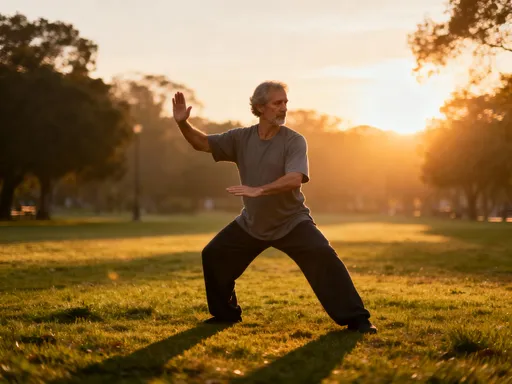
I’ve learned that what works for one person may not work for another. Some find relief through swimming, others through tai chi or walking in nature. The key is to experiment with kindness and curiosity. If an activity causes pain, it’s a signal to modify or pause, not push harder. Professional guidance—from physical therapists, chiropractors, or occupational therapists—can be invaluable, especially when pain persists or worsens. These experts can assess individual needs and provide tailored advice.
Most importantly, I’ve learned to view spinal health as a lifelong practice, not a destination. It’s built through daily choices: how I sit, breathe, move, rest, and respond to stress. Each small action contributes to a larger pattern of resilience. The lower back, once a source of fear and frustration, has become a guide—a reminder to slow down, to listen, to care. True wellness isn’t found in a single solution, but in the quiet, consistent commitment to honoring both body and mind.