How I Fuel My Workouts: Real Talk on Eating Right While Staying Active
Ever feel tired halfway through your workout? I did—until I realized exercise isn’t just about movement, it’s about fuel. What you eat shapes your energy, recovery, and progress. I’ve tested routines, made mistakes, and finally found balance. This isn’t a strict diet plan or fitness gimmick. It’s real talk from someone who’s been there. Let’s break down how smart eating and consistent exercise actually work together—no hype, just truth.
The Energy Gap: When Exercise Feels Harder Than It Should
Many active individuals experience a familiar pattern: enthusiasm at the start of a workout, followed by a sudden drop in energy, mental fog, or even dizziness by the midpoint. This isn’t just a lack of willpower—it’s often a sign of an energy gap. When physical activity increases, so do the body’s demands for fuel and nutrients. Without proper intake, even the most dedicated routine can feel unsustainable. The body relies on glycogen stores, blood glucose, and fat reserves to power movement. Once these are depleted or poorly replenished, performance declines rapidly.
Scientifically, exercise increases metabolic rate and depletes energy substrates. For instance, endurance activities like running or cycling draw heavily on carbohydrates stored in muscles and the liver. Strength training, meanwhile, demands amino acids for muscle contraction and repair. When these resources are inadequate, the body signals fatigue to protect itself. This protective mechanism is often misinterpreted as laziness or poor fitness, when in reality, it’s a nutritional mismatch. The solution isn’t to push harder—it’s to refuel smarter.
The core insight is simple: exercise and nutrition must be aligned. A mismatch between effort and fuel leads to stalled progress, increased injury risk, and burnout. This isn’t about eating more indiscriminately, but about eating purposefully. The body responds best when it receives the right nutrients at the right time. Recognizing this connection was the turning point in my own fitness journey. Once I began viewing food as performance fuel rather than just sustenance, my energy levels stabilized, recovery improved, and workouts became more effective.
Why "Eat Less, Move More" Is Outdated (And Often Harmful)
The long-standing belief that weight management and fitness success come from simply eating less and moving more has been widely promoted—but it’s increasingly recognized as an oversimplification that can backfire. For active individuals, especially women over 30, this approach can lead to metabolic slowdown, muscle loss, hormonal imbalances, and chronic fatigue. The body is not a simple math equation; it’s a complex, adaptive system that responds to both physical and nutritional stress.
Undereating while exercising regularly creates a state of chronic energy deficit. In response, the body conserves energy by reducing non-essential functions—such as reproductive hormones, immune response, and even thyroid activity. This can manifest as irregular menstrual cycles, increased susceptibility to illness, and persistent tiredness. Research published in the Journal of the International Society of Sports Nutrition shows that prolonged calorie restriction in active individuals can lead to a decrease in resting metabolic rate, making long-term weight management more difficult, not easier.
Additionally, when protein intake is insufficient during calorie restriction, the body begins to break down muscle tissue for energy. This loss of lean mass further reduces metabolic rate and weakens physical performance. Hormonal disruptions, particularly in cortisol and leptin levels, can increase appetite and cravings, leading to a cycle of restriction and overeating. These outcomes are not signs of personal failure—they are physiological responses to inadequate fueling. The outdated “eat less, move more” model fails to account for the body’s need for quality nutrients to support activity, recovery, and long-term health.
A more sustainable and effective approach focuses on nutrient density and energy balance. Instead of cutting calories indiscriminately, the goal should be to match intake with activity level while prioritizing whole, nourishing foods. This supports metabolism, preserves muscle mass, and promotes hormonal balance. The shift from restriction to nourishment is not just more effective—it’s kinder to the body and more sustainable over time.
Macronutrients Demystified: What They Really Do for Active Bodies
Understanding macronutrients—carbohydrates, proteins, and fats—is essential for anyone who exercises regularly. These are the primary sources of energy and building blocks for the body, each playing a distinct and vital role. Despite widespread misconceptions, none should be feared or eliminated. Instead, they should be embraced in balanced proportions that support an active lifestyle.
Carbohydrates are the body’s preferred source of fuel, especially during moderate to high-intensity exercise. They are broken down into glucose, which powers muscles and the brain. Contrary to popular myths, carbs are not the enemy of fitness. In fact, they are essential for sustaining energy during workouts. Whole grains, fruits, vegetables, and legumes provide complex carbohydrates that release energy gradually, preventing spikes and crashes. For someone engaging in regular physical activity, cutting carbs can lead to early fatigue, reduced endurance, and difficulty completing workouts at full capacity.
Protein is best known for building and repairing muscle, but its role extends beyond the gym. It supports immune function, enzyme production, and hormone synthesis. After exercise, protein helps repair microtears in muscle fibers, leading to strength gains and improved recovery. However, protein is not a primary energy source—its main job is maintenance and repair. Good sources include lean meats, dairy, eggs, beans, and plant-based alternatives. For active individuals, spreading protein intake throughout the day supports continuous muscle protein synthesis, rather than relying on a single large post-workout meal.
Fats are often misunderstood, yet they are crucial for long-term energy, cell membrane integrity, and hormone production. Healthy fats from sources like avocados, nuts, seeds, and olive oil support the absorption of fat-soluble vitamins (A, D, E, K) and help regulate inflammation. They also provide sustained energy during low to moderate-intensity activities. Eliminating fats can disrupt hormonal balance, particularly in women, affecting everything from mood to menstrual regularity. A balanced intake of all three macronutrients ensures the body has what it needs to perform, recover, and thrive.
Timing Matters: When You Eat Is Part of the Strategy
While total daily intake is important, the timing of meals and snacks around workouts can significantly influence performance and recovery. The body’s ability to use nutrients changes depending on activity level, making strategic eating a key component of an effective fitness plan. This doesn’t require rigid scheduling, but a general awareness of how food timing supports physical effort.
Eating before a workout provides the energy needed to perform at your best. A small meal or snack containing carbohydrates and a moderate amount of protein, consumed 30 to 90 minutes prior, can enhance endurance and focus. Examples include a banana with peanut butter, Greek yogurt with berries, or a slice of whole-grain toast with a boiled egg. These combinations offer quick energy from carbs and sustained fuel from protein and fat. Exercising on an empty stomach may work for light activity, but for anything more intense, it can lead to low blood sugar and early fatigue.
Post-workout nutrition is equally important. While the idea of a narrow “anabolic window” has been exaggerated, research shows that consuming protein and carbohydrates within two hours after exercise supports muscle repair and glycogen replenishment. This doesn’t require a protein shake—whole foods like grilled chicken with sweet potato, a quinoa bowl with vegetables, or cottage cheese with fruit can be just as effective. The key is consistency over time, not perfection in the minutes after a workout.
For those who exercise in the morning and may not feel hungry right away, a light snack during or after the workout can suffice. Similarly, evening exercisers should avoid heavy meals right before bed but can benefit from a small protein-rich snack to support overnight recovery. The goal is to work with your natural rhythm, not against it. When meal timing aligns with activity, energy levels remain stable, recovery is optimized, and progress becomes more consistent.
Hydration and Micronutrients: The Invisible Performance Boosters
While macronutrients get most of the attention, hydration and micronutrients play an equally critical role in athletic performance and overall well-being. These elements often go unnoticed until a deficiency arises, but they are essential for energy production, muscle function, and recovery. Ignoring them can undermine even the most disciplined workout routine.
Dehydration is one of the most common yet preventable causes of fatigue and reduced performance. Even a 2% loss of body water can impair concentration, endurance, and thermoregulation. For active individuals, especially those who sweat heavily, maintaining fluid balance is non-negotiable. Water should be consumed consistently throughout the day, not just during workouts. For longer or more intense sessions, electrolyte replacement may be necessary to maintain sodium, potassium, and magnesium levels. Coconut water, homemade electrolyte drinks, or even a pinch of salt in water can help restore balance without added sugars.
Micronutrients—vitamins and minerals—are involved in nearly every metabolic process related to energy and recovery. B-complex vitamins, for example, help convert food into usable energy. Vitamin D supports muscle function and immune health, while magnesium plays a role in muscle relaxation and nerve transmission. Iron is critical for oxygen transport in the blood, making it especially important for endurance athletes and women with regular menstrual cycles. Deficiencies in any of these can lead to fatigue, weakness, and prolonged recovery times.
The best way to obtain these nutrients is through a varied, colorful diet rich in whole foods. Dark leafy greens, colorful vegetables, fruits, whole grains, nuts, seeds, and lean proteins provide a broad spectrum of vitamins and minerals. While supplements can help in cases of diagnosed deficiency, they should not replace a balanced diet. A plate that includes a variety of colors and textures is more likely to deliver the full range of nutrients the body needs. Treating hydration and micronutrients as foundational—not optional—elements of fitness leads to more sustainable energy and better overall results.
Real Habits Over Perfection: Building Sustainable Dietary Routines
Sustainability is the cornerstone of long-term success in both fitness and nutrition. Strict diets, rigid rules, and all-or-nothing thinking often lead to short-term results followed by burnout or rebound. Instead, focusing on consistent, realistic habits creates a lifestyle that can be maintained for years. The goal isn’t perfection—it’s progress through small, manageable changes.
Meal prep is one of the most effective strategies for staying on track. Setting aside time each week to plan and prepare meals reduces decision fatigue and prevents last-minute unhealthy choices. This doesn’t mean cooking every single meal in advance—batch cooking staples like grains, roasted vegetables, or grilled proteins can make assembling balanced meals throughout the week much easier. Having healthy snacks on hand, such as cut vegetables, hummus, hard-boiled eggs, or trail mix, helps manage hunger between meals without resorting to processed options.
Mindful eating is another powerful habit. This means paying attention to hunger and fullness cues, eating without distractions, and savoring meals. It helps prevent overeating and fosters a healthier relationship with food. Reading food labels can also support better choices by revealing hidden sugars, unhealthy fats, and excessive sodium. However, this shouldn’t lead to obsessive label-checking—instead, it’s about developing general awareness.
Cravings are normal and don’t need to be eliminated. The key is managing them without guilt. Allowing yourself occasional treats—about 20% of the time—while maintaining nutrient-dense choices 80% of the time creates balance. This “80/20 rule” prevents feelings of deprivation and supports long-term adherence. Flexibility, not rigidity, is what makes a healthy lifestyle last. When food is seen as nourishment rather than a source of guilt, the entire approach to eating becomes more positive and sustainable.
Putting It All Together: A Week in My Balanced Active Life
Putting these principles into practice doesn’t require a perfect schedule or gourmet meals. It’s about consistency, variety, and listening to your body. Here’s a realistic look at how I structure my week, balancing different types of exercise with appropriate nutrition.
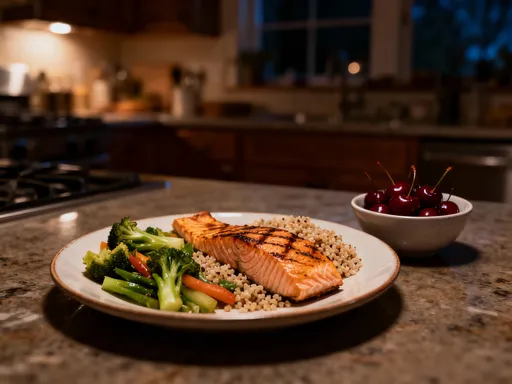
Monday begins with a strength training session. I eat a small pre-workout snack—usually an apple with almond butter—about 45 minutes before. Afterward, I have a balanced breakfast of scrambled eggs with spinach and whole-grain toast. Lunch is a quinoa salad with chickpeas, cucumbers, tomatoes, and olive oil. In the evening, I enjoy grilled salmon with roasted sweet potatoes and broccoli. I stay hydrated throughout the day, drinking water and herbal tea.
Tuesday includes a brisk 45-minute walk and some light stretching. Since it’s lower intensity, my meals are slightly lighter. I start with oatmeal topped with berries and chia seeds, have a lentil soup for lunch, and finish with a stir-fry of tofu and vegetables over brown rice. I listen to my hunger cues and adjust portion sizes as needed.
Wednesday is a rest day, but I stay active with yoga and a short walk. I focus on nutrient-dense foods to support recovery—Greek yogurt with honey and walnuts for breakfast, a large salad with grilled chicken for lunch, and a hearty vegetable stew for dinner. I also take time to reflect on how I’m feeling physically and mentally.
Thursday brings another strength session, followed by a post-workout smoothie with banana, spinach, protein powder, and almond milk. Friday includes a longer cardio session, so I make sure to eat a balanced meal two hours prior—a turkey sandwich on whole-grain bread with a side of fruit. Afterward, I replenish with a bowl of cottage cheese and pineapple.
Weekends are more flexible. I enjoy family meals, which might include homemade pizza with a whole-wheat crust and plenty of vegetables, or grilled fish with a side of quinoa and salad. I allow room for treats—like a small piece of dark chocolate or a scoop of ice cream—without guilt. The focus remains on balance, not restriction.
This routine isn’t rigid. Some days, I eat out or have leftovers. Some workouts are shorter than planned. But the overall pattern supports energy, recovery, and well-being. What works for me may not work for everyone—and that’s okay. Personalization is key. The goal is to find a rhythm that feels sustainable and enjoyable.
True fitness isn’t built in the gym alone—it’s powered at the table. When you treat food as fuel and honor your body’s needs, every rep, run, and recovery becomes more meaningful. This isn’t about perfection, but progress. By aligning dietary principles with physical effort, you create a lifestyle that lasts. And honestly? I wish I’d learned this sooner.