Why I Swear by This Simple Daily Move for Staying Healthy
You don’t need a gym membership or fancy gear to protect your health—just a few minutes a day. I started one simple exercise habit after my doctor mentioned my inactivity could raise disease risks. Skeptical at first, I tried it anyway. Within weeks, I felt more energy, better sleep, and stronger resilience. This isn’t magic—just science-backed movement anyone can do. Let me share how this small change made a real difference, and how you can start safely too.
The Wake-Up Call: When Inactivity Became Impossible to Ignore
Many women in their 30s, 40s, and 50s begin noticing subtle shifts in how they feel—more fatigue by mid-afternoon, stiffness when standing up from the couch, or frequent colds that linger longer than they used to. These signs often go unnoticed or are dismissed as just part of getting older. But in reality, they can be early warnings of a deeper issue: too much sitting and too little movement. Modern life has made physical inactivity almost invisible. From driving to work, sitting at a desk, and unwinding in front of the television, many adults spend more than eight hours a day seated. This sedentary lifestyle, even in people who eat well, significantly increases the risk of chronic diseases such as heart disease, type 2 diabetes, and obesity.
Studies consistently show that prolonged sitting slows metabolism, reduces circulation, and disrupts the body’s ability to manage blood sugar and fat levels. Over time, this creates a biological environment where inflammation rises and organ systems function less efficiently. The danger is that these changes happen gradually, without clear symptoms. A person may feel generally fine while internal damage accumulates silently. This is why inactivity is sometimes called a “silent epidemic.” It doesn’t announce itself with pain or illness at first, but its long-term consequences are serious. Research from the World Health Organization identifies physical inactivity as one of the leading risk factors for global mortality, contributing to an estimated 3.2 million deaths annually.
For many, the wake-up call comes after a routine check-up. A slightly elevated blood pressure reading, a higher fasting glucose level, or a doctor’s comment about weight gain can spark concern. These moments, though small, are opportunities to act before more serious health problems develop. The good news is that the body responds quickly to movement. Even modest increases in daily activity can begin reversing the negative effects of a sedentary lifestyle. You don’t need to run a marathon or spend hours in the gym. In fact, the most powerful changes often come from the simplest habits—ones that fit easily into a busy schedule and don’t require special skills or equipment.
Why Movement Matters: Your Body’s Natural Defense System
Physical activity is not just about weight management or muscle tone—it’s a fundamental support system for nearly every function in the body. When you move, your heart pumps more efficiently, your lungs take in more oxygen, and your muscles use energy more effectively. These responses create a cascade of health benefits that extend far beyond physical appearance. Regular movement strengthens the immune system, improves circulation, and helps regulate blood sugar and blood pressure. Think of your body as a finely tuned machine: just like a car needs regular use to prevent rust and maintain engine performance, your body thrives on consistent motion.
One of the most powerful effects of movement is on the cardiovascular system. Each time you engage in physical activity, your heart becomes stronger and more efficient at pumping blood. This reduces the strain on your arteries and helps maintain healthy blood pressure levels. At the same time, improved circulation allows oxygen and nutrients to reach your cells more effectively, supporting energy production and tissue repair. Over time, this lowers the risk of heart disease, stroke, and other cardiovascular conditions—leading causes of death among women over 40.
Movement also plays a critical role in metabolic health. When you’re active, your muscles use glucose from the bloodstream for fuel, which helps keep blood sugar levels in a healthy range. This is especially important in preventing insulin resistance, a precursor to type 2 diabetes. Studies show that even short walks after meals can significantly reduce blood sugar spikes, making daily movement a natural and effective way to support long-term metabolic balance. Additionally, physical activity helps regulate cholesterol levels by increasing HDL (the “good” cholesterol) and reducing triglycerides.
Another often-overlooked benefit is the effect of movement on the immune system. Moderate, regular exercise has been shown to enhance immune surveillance—the body’s ability to detect and respond to pathogens. This means you may get sick less often and recover faster when you do. The mechanism involves increased circulation of immune cells, reduced chronic inflammation, and better sleep—all supported by consistent physical activity. In this way, movement acts as a natural defense system, quietly strengthening your body’s ability to stay healthy.
The One Move That Changed Everything (And Why It’s Not What You Think)
When most people think of exercise, they imagine intense workouts, sweat-drenched sessions, or complicated routines. But the habit that transformed my health—and the one supported by the most evidence—is something far simpler: walking. Not power walking, not hiking up steep hills, but consistent, everyday walking. It’s low-impact, accessible to nearly everyone, and requires no special training or equipment. Yet, its benefits are profound. Walking engages major muscle groups, improves heart health, supports joint mobility, and enhances mental clarity. It’s one of the most sustainable forms of physical activity, especially for women balancing work, family, and personal responsibilities.
What makes walking so effective is its consistency, not its intensity. Research from the American Heart Association shows that walking just 30 minutes a day, five days a week, can reduce the risk of heart disease by up to 30%. Other studies link daily walking to improved mood, better digestion, and sharper cognitive function. Many women report feeling less anxious, sleeping more soundly, and having more energy throughout the day after making walking a regular habit. These benefits often appear within just a few weeks, reinforcing the motivation to keep going.
Another powerful aspect of walking is the ripple effect it creates. When you start moving more, you often find yourself making other healthy choices naturally. You might drink more water, choose nutritious meals, or become more aware of your posture and body alignment. Walking also provides mental space—time to reflect, decompress, or enjoy nature. This combination of physical and emotional benefits makes it more than just exercise; it becomes a form of daily self-care. Over time, this small habit builds resilience, not just in the body, but in mindset and emotional well-being.
How to Build the Habit: Small Steps, Big Results
Starting a walking habit doesn’t require a dramatic lifestyle overhaul. The key is to begin small and make it sustainable. Choose a pair of comfortable, supportive shoes—this is the only equipment you really need. Pick a time of day that fits naturally into your routine, such as after breakfast, during a lunch break, or after dinner. Even 10 to 15 minutes is a great starting point. The goal is consistency, not distance or speed. Over time, you can gradually increase your duration as your body adapts and your confidence grows.
Using a step counter or a smartphone app can help track progress and provide gentle motivation. Many women find it encouraging to see their daily step count rise over time, even if only by a few hundred steps each week. Some set simple goals, like reaching 5,000 steps a day at first, then working toward 7,500 or 10,000. But it’s important to remember that any movement counts. Walking around the house while on the phone, pacing during TV commercials, or taking the stairs instead of the elevator all contribute to your daily activity total.
One of the most effective strategies is habit stacking—linking your walk to an existing routine. For example, you might walk for 10 minutes after each meal, or take a short stroll right after arriving home from work. This creates a natural trigger that makes the behavior easier to remember and maintain. If time is a concern, break your walking into smaller segments—three 10-minute walks are just as beneficial as one 30-minute session. The Centers for Disease Control and Prevention (CDC) confirms that accumulated physical activity, spread throughout the day, provides the same health benefits as continuous exercise.
Weather and schedule challenges are common excuses, but there are simple solutions. On rainy days, walk indoors—around a mall, in a community center, or even back and forth in a long hallway. If you have a basement or living room, you can pace while listening to music or a podcast. During colder months, dress in layers and walk during the warmest part of the day. The goal is not perfection, but persistence. Every step you take is a step toward better health.
Beyond Walking: Adding Simple Strength and Flexibility Moves
While walking is an excellent foundation, adding a few minutes of strength and flexibility exercises can enhance the benefits. As we age, muscle mass naturally declines—a process called sarcopenia—that can begin as early as the 30s. This loss affects metabolism, balance, and overall strength. Incorporating simple bodyweight exercises into your routine helps preserve muscle, support joint health, and improve daily function. The best part is that these moves require no equipment and can be done in the comfort of your home.
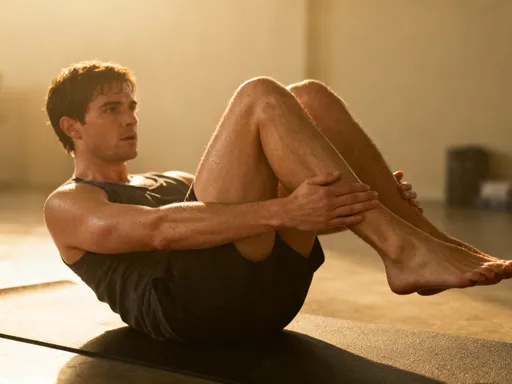
Start with basic strength exercises like wall push-ups, which build upper body strength without strain. Stand facing a wall, place your hands on it at shoulder height, and slowly bend your elbows to bring your chest toward the wall, then push back. Seated squats are another effective option: sit down and stand up from a sturdy chair without using your hands. This strengthens the legs and improves mobility. Standing calf raises—lifting your heels off the ground and lowering them slowly—help with balance and circulation in the lower legs. Aim for two to three sets of 10 to 15 repetitions, two or three times a week.
Flexibility is equally important. Gentle stretching improves range of motion, reduces stiffness, and lowers the risk of injury. A simple morning or evening routine can include neck rolls, shoulder rolls, side stretches, and forward bends from a seated or standing position. Hold each stretch for 15 to 30 seconds without bouncing. Focus on areas that tend to feel tight—neck, shoulders, hips, and lower back. These stretches take only 5 to 10 minutes but can make a noticeable difference in how you feel throughout the day.
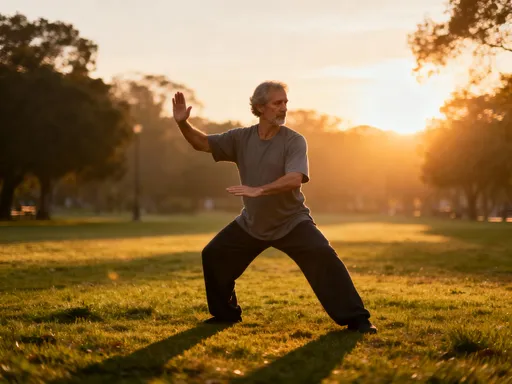
Yoga and tai chi are excellent options for combining strength, balance, and flexibility. Many community centers and online platforms offer beginner-friendly classes tailored to women in midlife. These practices also emphasize breath and mindfulness, adding a calming effect that supports emotional well-being. The goal is not to become an expert, but to move regularly in ways that feel good and support long-term health.
Listening to Your Body: Staying Safe While Staying Active
Safety is essential when starting or maintaining a physical activity routine. While movement is beneficial, it’s important to respect your body’s signals and avoid pushing too hard. Pay attention to how you feel during and after exercise. Mild fatigue or muscle soreness is normal, especially when starting out, but sharp pain, dizziness, shortness of breath, or chest discomfort are warning signs that should not be ignored. These symptoms may indicate an underlying condition that requires medical evaluation.
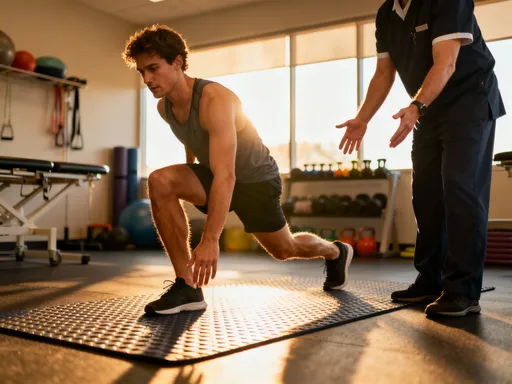
Pacing yourself is key. It’s better to walk a little each day than to overdo it once and end up sore or discouraged. Allow time for rest and recovery—your body strengthens during periods of rest, not just during activity. If you’re new to exercise or have existing health conditions such as arthritis, high blood pressure, or heart disease, it’s wise to consult your healthcare provider before beginning a new routine. They can offer personalized guidance and help you create a safe, effective plan.
Proper footwear, hydration, and warm-up are simple but important safety measures. Wear shoes that provide good support and cushioning, especially if you walk on hard surfaces. Drink water before and after your activity, and consider a light warm-up—like marching in place or arm circles—to prepare your body. If you experience joint pain, consider low-impact alternatives such as walking in a pool or using a stationary bike. The goal is to stay active without causing harm.
Remember, this is not about achieving fitness perfection. It’s about building a sustainable, lifelong habit that supports your health. There will be days when you’re too tired, too busy, or the weather is bad. That’s okay. The important thing is to return to your routine when you can, without guilt or self-criticism. Progress, not perfection, is the measure of success.
Making It Stick: Mindset, Motivation, and Realistic Goals
Long-term success with physical activity depends as much on mindset as it does on action. Many women start strong but lose motivation when results don’t appear quickly. It’s important to shift the focus from dramatic outcomes to daily consistency. Celebrate small wins—like walking three days in a row, trying a new stretch, or simply lacing up your shoes on a tough day. These moments build confidence and reinforce the habit.
Tracking progress can be motivating. Use a calendar, journal, or app to mark days you’ve been active. Over time, you’ll see patterns and gain a sense of accomplishment. Some women find it helpful to walk with a friend or join a local walking group, which adds social connection and accountability. Others prefer solitude, using the time to clear their minds or listen to audiobooks. Both approaches are valid—choose what feels right for you.
Set realistic goals. Instead of aiming to “exercise every day,” start with “move for 10 minutes, three times this week.” As the habit becomes easier, gradually increase your goals. Be kind to yourself during setbacks. Life happens—illness, travel, family demands—and it’s normal to miss a few days. What matters is getting back on track without judgment. Each new day is an opportunity to renew your commitment.
Ultimately, daily movement is an act of self-respect. It’s a way of saying, “I value my health and well-being.” Over time, this small daily promise builds resilience, energy, and a stronger sense of control over your life. It’s not about looking a certain way or meeting someone else’s standard. It’s about feeling strong, capable, and vibrant—today and for years to come.